中小学生科创比赛,“卷”孩子还是“卷”成人? ——秒词邦背单词app

不少科创赛事已把识别作品的“成人痕迹”作为一项重要的指标。有赛事组委会工作人员告诉新京报记者,最重要的一点就是学生参与研究的过程,参与度是考察的一个非常重要的指标。凡是有学术不端的行为,都是会被淘汰的。
全文6037字,阅读约需12分钟
新京报记者 李照 实习生 黄馨悦编辑 陈晓舒校对 李立军
4月中旬,“第39届上海市青少年科技创新大赛”(以下简称“上海青创赛”)获奖名单公布,有声音指出,这份名单中,个别获奖作品“已达硕博水平”,其中一项一等奖作品标题中的“蒙特卡洛算法”,据称曾经出现在考博的专业题中。对此,主办方之一的上海市科协作出回应称,已经开展调查核实。
这不是中小学科创比赛第一次引发争议,每次焦点都指向个别课题的专业性远超中小学生水平,被质疑有成人“代笔”。在这背后,是多元化招生的趋势让家长们看到将科创与升学挂钩的可能。
新京报记者调查发现,有从事科研工作的家长帮助孩子操作课题;也有不少培训机构加入进来,宣称从动手实验到写研究报告甚至查重查新,都由来自清华、北大、中科院等知名院校的博士生安排,也可以帮忙联系高校教授指导。尽管强调“肯定要让孩子参与进来”,但培训机构也承诺“保奖”与“兜底”,“如果第一年不获奖,第二年免费再参加一次。”
不少科创赛事已把识别作品的“成人痕迹”作为一项重要的标准。有赛事组委会工作人员告诉新京报记者,比赛最看重的是学生参与研究的过程,参与度是考察的一个非常重要的指标。凡是有学术不端的行为,都将面临淘汰。而评委们在面试答辩时也有一套识别筛选的“方法论”。
有赛事组委会坦言,绝大部分获奖作品都是从学生身边出发的课题,少数在公众看起来“高大上”的专业题目,也确为学生本人作品。随着“拔尖创新人才”理念的深入,中小学和高校建立紧密的合作,拥有优质教育资源的部分学生经过选拔能提前进入高校接受专家教授的指导,并参与实验,“他们的确是有机会能接触到这些课题的。”
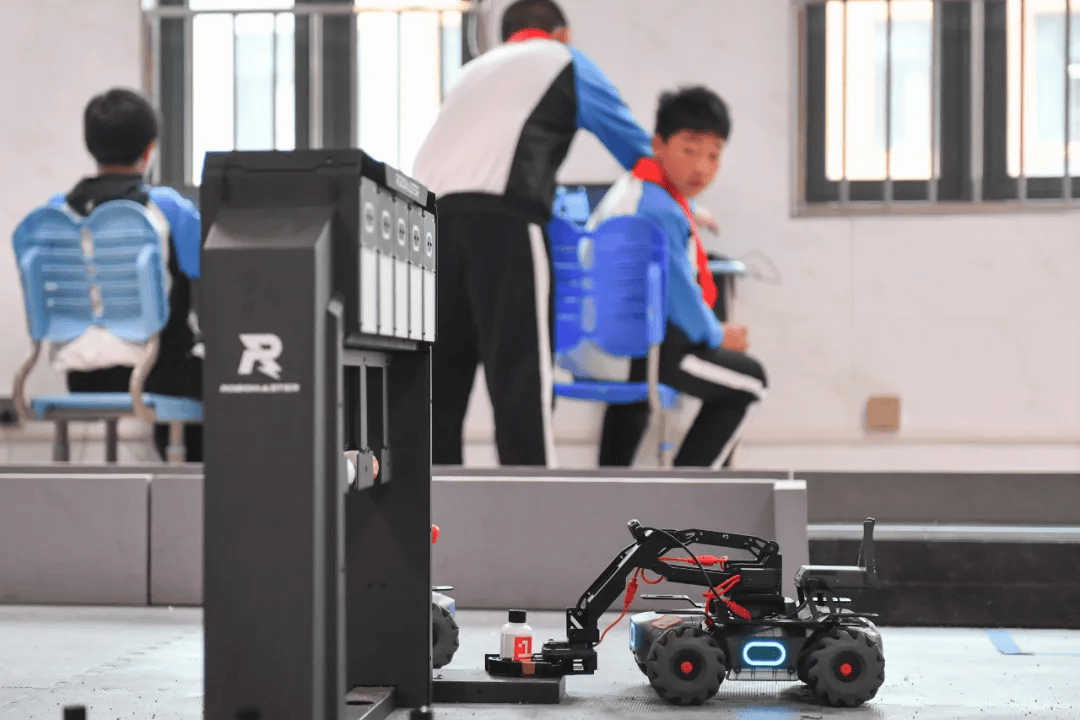
▲通过“科技课堂”培养学生的科学素养和动手能力,点燃孩子的“科学梦”。新华社记者 陈泽国 摄
━━━━━
科创与升学“脱钩”?
林辰的女儿在上海一所中学读初二。意识到女儿更擅长理科后,林辰早早为女儿规划了一条升学路——将来要参加某所重点高中的自主招生。这是一所以理科见长的学校,林辰打听了这所学校面试看重学生哪些能力素质,“其中就包括理科思维发明创造。”
因此,女儿初一那年,当班主任在班级群里转发上海青创赛的通知时,林辰就开始研究起来。
上海青创赛是一项面向上海全市在校中小学生开展的规模大、高层次青少年科技教育活动,由上海市科协、上海市教委等联合主办,“在上海家长心中是很有含金量的。”
林辰是文科生,担心没有能力辅导女儿,于是联系了一家培训机构,收费在4万元左右。
2018年,《上海市进一步推进高中阶段学校考试招生制度改革实施意见》中,明确了初中学生综合素质评价改革(以下简称综评)正式实施。
所谓综评,即通过网络系统中客观数据导入、学校录入、学生提交实证材料等方式记录学生的学习成长经历,从而作为评价学生综合素质的依据。而综评里有一栏是“科技创新”,这让上海很多教培机构嗅到了商机,纷纷扎进科创领域,收费价格也一度水涨船高。
根据机构的要求,女儿要去上八次课,上课地点很远,“她(女儿)每周末要补课的,不能把黄金时间匀给科创。”权衡之下,林辰决定还是自己来辅导。
没想到不久以后,科创培训就降了温。今年2月,上海市教委发布了《上海市教育委员会关于2024年本市高中阶段学校招生工作的若干意见》,这份文件最大的变化是:名额分配批次综评面试取消,综评50分全由初中赋分,被简化为合格或是不合格,而在往年,40分由初中学校决定,有10分是由高中自主打分。
上海高中阶段学校招生录取分为自主招生录取、名额分配综合评价录取和统一招生录取三种方式。与自主招生一样,名额分配也十分看重综评。而此次综评改革由初中赋分,在很多家长看来意味着变相取消了综评的竞争。
有家长找到机构希望退钱,也有家长仍在观望犹豫,已经上了好几节课,是否还要继续?
家长们对科创比赛的追逐离不开“升学”这根指挥棒。然而,梳理中小学生科创比赛的历史可知,科创比赛与升学的直接关系在变弱。
根据教育部2004年印发的《2004年普通高等学校招收保送生办法》,高中阶段获得全国青少年科技创新大赛一、二等奖的应届高中毕业生,可免高考,保送进入高等学校学习。这项政策一直持续到2014年,2014年之后,全国青创赛的获奖者,在高考招生时不再具备直接保送的资格。这是此项赛事举办多年来首次与高考录取“脱钩”。
2018年,教育部出台《面向中小学生的社会竞赛管理办法》,从2019年开始审核并面向社会公布竞赛名单,严格控制竞赛项目数量。在《2022—2025学年面向中小学生的全国性竞赛活动的通知》中,也再次强调竞赛产生的结果不得作为中小学入学依据和高考加分项目。
北京市中小学生金鹏科技论坛(以下简称“金鹏论坛”)是北京市教育委员会主办的一项赛事,参赛项目分为自然科学、社会科学、发明创造三大类,至今已经举办了24届,也是北京含金量最高的科创赛事之一。
金鹏论坛组委会告诉新京报记者,“从我们组委会来说,这只是一个参与科技实践展示自我的平台,我们甚至会把‘竞赛成绩不作为招生入学依据’写在获奖证书上,就是为了向社会释放这个信号。”
但尽管如此,参加科创赛事的人数却不见减少,北京一家培训机构负责人解释说,“这只是一张入场券,不代表获奖就一定能成为科技特长生,但家长就是会为了这张入场券全力以赴。”
━━━━━
“卷”孩子还是“卷”成人?
对于林辰来说,和女儿一起完成这个课题并不是一件容易的事情。女儿最初的想法是利用白蚁的趋光性,通过测试找到吸引白蚁的波长,以物理方法灭白蚁。科学老师列出需要购买光源波段的清单,然而林辰发现根本买不到,她找了很多制灯厂家,没有一家愿意定制。
当时上海还没有到白蚁婚飞(长出翅膀成群飞舞)的季节,为了买到婚飞白蚁,林辰甚至给白蚁协会打去电话,但对方告诉她只有死掉的标本。
女儿的课题不得不进行修正,最终确定使用化学手段吸引白蚁,使配方达到一个最优配比,既能消灭白蚁,又可以做到对环境的友好。
林辰买回了一千只白蚁幼虫,就养在客厅里。没有像样的实验室,林辰就托关系去借显微镜,最难的是乙醚,这是一种受公安部门管制的易燃易制毒的危险化学品,“也是托一个朋友从实验室搞来的。”林辰回忆,“我们第一次使用乙醚的时候,根本不知道要倒多少,那个味道特别特别熏。”
前期做实验、记录数据是女儿主导,到了写论文的环节,林辰承担更多。她要查阅大量论文资料做文献索引,最难的部分是查新,要提供很多资料展示创新点,完成查询报告,“孩子根本做不了,太难了,这部分都是我来完成。”几个参与比赛的家长甚至拉了一个微信群,共同商量讨论如何完成论文写作。
这的确算得上是一次对家长的大考,不是所有家长都有时间精力和资源完成这些工作,于是催生了大量科创培训机构。
新京报记者以家长身份接触了多家科创赛事培训机构,价格在2万到4万不等,培训机构宣称提供“保姆级服务”,家长唯一需要做的事情就是“帮孩子拍拍照留作研究日志”。
机构称,一旦签约,将提供至少三个课题由孩子选择,从动手实验到写研究报告甚至查重查新,都由导师安排。导师是来自清华、北大、中科院等知名院校的博士,一家机构告诉新京报记者,还可以帮忙联系高校教授指导,而教授的收费价格比博士贵一倍。此外,负责人还表示,机构和知名高校有协议,孩子可以进入高校实验室做实验,至于到底签署了什么协议,对方拒绝提供。
尽管强调“肯定要让孩子参与进来”,但培训机构也承诺“保奖”与“兜底”,“如果第一年不获奖,第二年免费再参加一次。”大多数培训机构都针对三个知名大赛通常“三合一打包,一个课题同时投三项赛事。”
更有甚者会选择直接上手替孩子完成。部分科研工作者或是直接将自己的课题给孩子或是找到研究生替孩子打比赛。北京一位985院校的研究生表示,他就曾替导师朋友的孩子做过科创项目,“原本说的是在实验室给小朋友上上课,但小朋友刚来实验室一会儿,就被喊去上补习班了。”最终那个项目几乎从头到尾是他完成。
“现在中小学科创比赛的确有不太好的风气,成人干预太多。”曾经参与组织创建金鹏科技论坛的评委会主任陈树杰告诉新京报记者,整体来看,这些年科创赛事水平在不断提高,“但是现在成人干预恐怕比过去还严重,只是因为有经验,会做得更精细一点。”
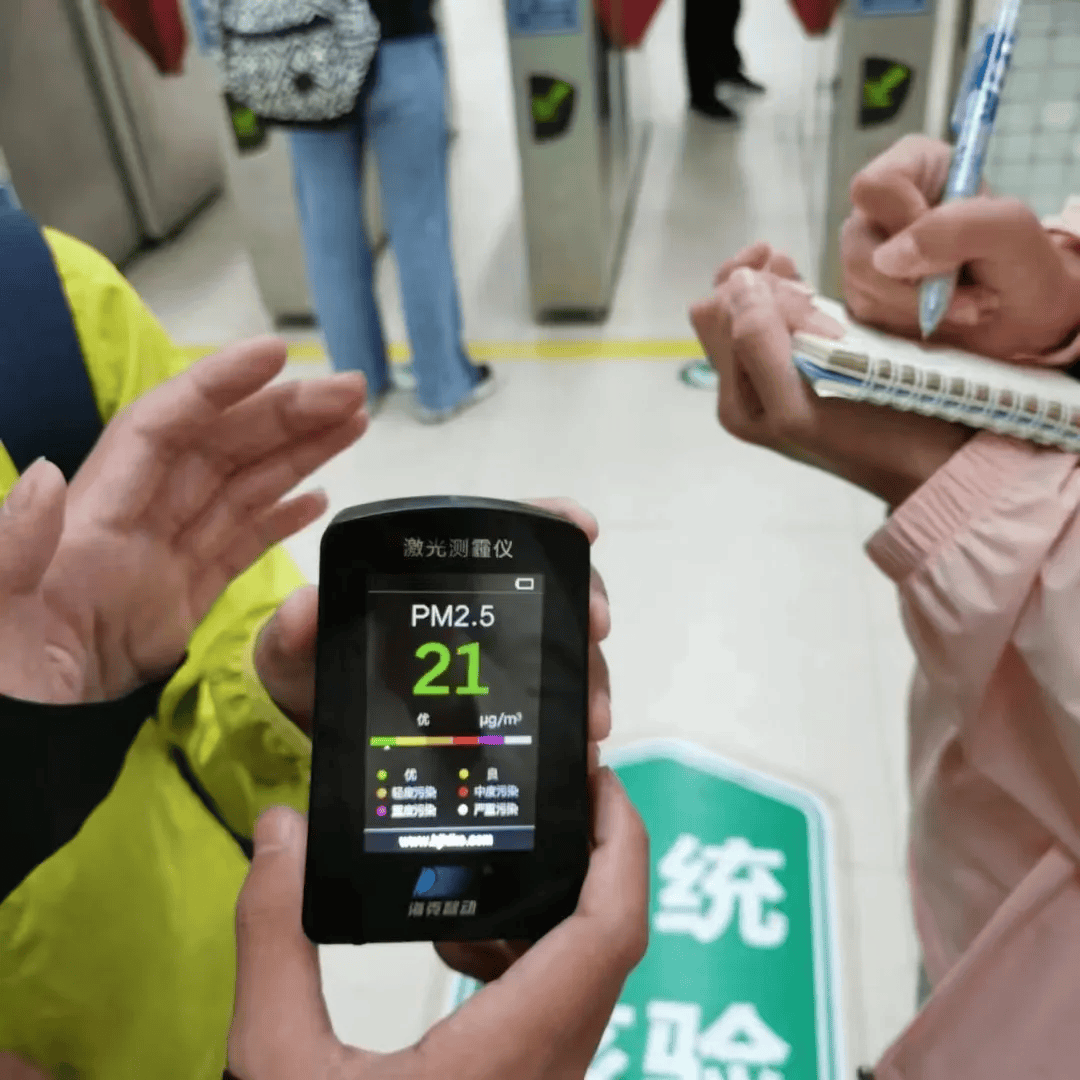
▲2022年十一假期,参与科创比赛的孩子在测试地铁站的PM2.5。受访者供图
━━━━━
识别“成人痕迹”
不少科创赛事的评委告诉新京报记者,现今在科创比赛中,考察学生参与度已是非常重要一项指标。
陈树杰以金鹏科技论坛为例介绍,课题项目的评选要经历三道关,第一道关是学校的筛选,一些重视科创的学校会邀请市赛评委去指导或者协助评选,第二道关是区级评审,然后部分获奖项目会进入第三道关,也就是市级评审,“后面两道评审都是盲审。”他强调。
金鹏组委告诉新京报记者,一个项目课题会有初评、复评和终评答辩三个环节。初评是背对背由专家独立打分,复评时会在一起进行复核,确定参评标准,最后是答辩环节,“一个课题至少有三名评委打分。”各区最后推荐10%的项目进入到市赛。
“金鹏区别其他赛事最重要的一点就是学生参与研究的过程,参与度是考察的一个非常重要的指标。”组委会工作人员说,凡是有学术不端的行为,都是会被淘汰的。
面试答辩是判断是否学术不端的有效手段。陈树杰记得十几年前他做评委时,有一个课题是调查某个县城的土壤,“我看文章里专业术语特别多,我就问孩子去了几次,在那里呆了多长时间,他说是利用放假时间去姥姥家,在附近做的调查。就去了一次就把这个地方不同地块的土壤肥力都调查出来了,这根本是不可能的。”
少儿科创专家包坤有一套面试答辩的识别话术,包坤说,他通常会问三个问题,“第一个问题问孩子这个想法是怎么来的?如果孩子对某件事感兴趣,被什么事情所触动,这个问题是最好回答的。”
“我的第二个问题会问孩子在做的过程中有没有遇到什么困难,”包坤解释说,“如果是孩子自己做的,就一定会遇到问题,孩子去请教了谁,怎么解决的,如果不是自己做的,这个项目就是一个被大人设计的项目,在过程中是不会遇到问题的。”
“第三个问题,我会问,你觉得做到现在这个阶段你满意了吗?如果还想升级,你会怎么样做?如果是孩子自己做的,他一定会想把这个项目做得更好,就像很多小朋友想做变形金刚一样,习惯把很多功能加上去,想法不一定成熟,但你知道这些想法是在生活中自然生长出来的。”
但目前,答辩仅在终评环节才有。包坤呼吁在前期初选就引入答辩,“只要评委跟孩子交流过,就一定能知道这是不是他做的。”

▲2023年7月29日,第三届全国青少年科技教育成果展示大赛,比赛选手在进行VEX系列工程挑战赛。新京报记者 李木易 吴婷婷摄影报道
━━━━━
家庭和学校的培优
在关于科创的讨论中,那些“高大上”的选题一定出自成人之手吗?
金鹏组委会相关工作人员告诉新京报记者,“不一定”。一方面是有学生会刻意取一个很专业的名字,但内容并不艰深,大多是用替代模型模拟实现自己的创想;另一方面,有些学生是之前通过选拔进入了创新人才计划,可以提前进入高校,接触到高校资源,然后用这部分课题申报比赛。
这是中小学生科创比赛背后的另一面——学校和家庭的双重培优,让一部分孩子走进科创领域的台前。
汪颖的儿子在北京海淀区一所知名高中读高三,此前入选了全国“中学生英才计划”(简称“英才计划”)。这是一项由中国科协和教育部自2013年开始共同组织实施中学生科技创新后备人才培养计划,旨在选拔一批品学兼优、学有余力的中学生走进大学,在自然科学基础学科领域的著名科学家指导下参加科学研究、学术研讨和科研实践。
汪颖告诉新京报记者,儿子所在的学校以学习成绩,尤其是物理数学的成绩进行初步筛选,接下来组织校内的考试,根据成绩进行推荐。学生凭借个人兴趣爱好选报导师,并提交相应材料,然后进行学科基础知识和创新潜质的笔试、面试。
“英才计划”官网显示,导师以两院院士、“长江学者”特聘教授、国家杰出青年科学基金获得者、国家级教学名师、省级教学名师为主,学生培养周期为一年。
汪颖说,儿子选择物理相关的学科,自学了大学教材,借用高校资源做实验,高二时,儿子参加金鹏论坛获奖的项目正是他在“英才计划”所完成的项目。
一些实力强大的学校也给予了很大的支持。金鹏组委会以北京市第三十五中学举例,学校拥有10个探究实验室,包括大数据与科学计算实验室、纳米与化学可视化实验室、航天科学与技术实验室、空间信息技术实验室、人工智能机器人实验室和智能科学与技术实验室等。此前媒体报道,其部分设备已与中国科学院联网,同步交换数据,相关专家、学者通过在线视频实时指导学生完成有关研究和实验。
陈树杰提到,2015年开始,北京中小学就要求各个学科平均会有不低于10%的学时用于开设学科实践活动,这些年他切身感受到教师们在科创上的指导理念愈加成熟。除此之外,很多学校还会安排从事科研工作的家长进入学校当义工,共同辅导学生进行科创活动。
家庭的引导也是重要的一环。简尼称,儿子小学三年级开始打金鹏比赛,从小就是一个喜欢问“为什么“的小孩,曾经从事科研相关工作的简尼习惯一步步引导儿子自主思考探索答案。
为了参加科创比赛,简尼教会10岁的儿子使用知网,“他现在对知网隐藏使用技巧比我还熟悉”,简尼还会带着儿子去国家图书馆查找资料,成人阅览室对13岁以下的孩子不开放,孩子只能去儿童阅览室,简尼鼓励儿子参与北京市中小学生科学建议活动,将放宽年龄的想法写入建议,“现在一些孩子很早就具备科研思维了,应该给他们查文献的机会。”
简尼喜欢在社交平台上分享儿子参与的科创赛事,在她看来,这是一种很好的项目学习方法,她对各项赛事都非常熟悉,不时有家长会向她取经,简尼总是提前强调“对升学没什么用处,就是一个喜欢科技喜欢做实验的舞台。”
这也是金鹏组委会工作人员想表达的观点,从我们组委会来说,它就是一个参与科技实践展示自我的平台,通过在学校层面的普及推广,让孩子能够有机会去展示自己,而且和其他区的学生进行切磋交流,这是我们整体的构想。”
在上海青创赛获奖之后,林辰又将白蚁的课题投了另一项白名单赛事。春节前,女儿去参加答辩,这一次,她没能获得市级奖,只获得了区级奖。
林辰没有失落,她很清楚,科创赛事的奖项对于升学只是锦上添花,最终要拼的还是文化成绩——为此,初二的女儿已经在补课学习高中的理科课程,以求在心仪高中的自主招生考试中拿到那张门票。
(应采访者需要,林辰、简尼、汪颖为化名)
值班编辑 李加减 康嘻嘻
新闻译文:
Many science and technology innovation competitions have identified "adult traces" of works as an important indicator. A staff member of the competition organizing committee told the New Beijing News that the most important point is the process of student participation in research, and participation is a very important indicator for evaluation. Any academic misconduct will be eliminated.
The full text is 6037 words and takes approximately 12 minutes to read
New Beijing News reporter Li Zhao, intern Huang Xinyue, editor Chen Xiaoshu, proofreading Li Lijun
In mid April, the list of winners of the 39th Shanghai Youth Science and Technology Innovation Competition (hereinafter referred to as the "Shanghai Youth Innovation Competition") was announced. Some voices pointed out that some of the award-winning works in this list have "reached the level of master's and doctoral degrees". One of the first prize works, titled "Monte Carlo Algorithm," is said to have appeared in the professional questions of the doctoral entrance examination. In response, one of the organizers, the Shanghai association for Science and Technology, stated that an investigation and verification have been carried out.
This is not the first time that a science and technology innovation competition in primary and secondary schools has sparked controversy. Each time, the focus is on individual topics whose professionalism far exceeds the level of primary and secondary school students, and it has been questioned whether there are adult ghostwriters. Behind this, the trend of diversified enrollment has shown parents the possibility of linking science and technology innovation with further education.
According to a survey conducted by a reporter from the Beijing News, parents engaged in scientific research work have helped their children with homework assignments; Many training institutions have also joined in, claiming that from hands-on experiments to writing research reports and even checking for plagiarism and novelty, all are arranged by doctoral students from well-known universities such as Tsinghua University, Peking University, and the Chinese Academy of Sciences. They can also help contact university professors for guidance. Although emphasizing the need for children to participate, the training institution also promises to "guarantee the prize" and "cover it all". "If you don't win in the first year, you can participate again for free in the second year."
Many science and technology innovation competitions have made identifying "adult traces" of works an important criterion. A staff member of the competition organizing committee told the Beijing News that the most important aspect of the competition is the process of student participation in research, and participation is a very important indicator for evaluation. Any academic misconduct will face elimination. And the judges also have a set of identification and screening methodologies during the interview defense.
The organizing committee of the competition admitted that the vast majority of award-winning works are based on topics around students, and a few professional topics that appear to be "high-end" to the public are also works by students themselves. With the deepening of the concept of "top-notch innovative talents", close cooperation has been established between primary and secondary schools and universities. Some students with high-quality educational resources can be selected to enter universities in advance to receive guidance from experts and professors, and participate in experiments. "They do have the opportunity to be exposed to these topics."
Through the "technology classroom", cultivate students' scientific literacy and hands-on ability, and ignite their "scientific dreams". Photo by Xinhua News agency reporter Chen Zeguo
-- -- -- -- --
Does science and technology innovation decouple from further education?
Lin Chen's daughter is in the second year of junior high school in Shanghai. After realizing that his daughter was better at science, Lin Chen had planned a path for her to further her education - to participate in independent enrollment at a key high school in the future. This is a school that excels in science, and Lin Chen inquired about the abilities and qualities that students value in their interviews. "This includes scientific thinking, invention, and creativity," he said
Therefore, in the first year of her daughter's junior high school, when the homeroom teacher forwarded the notice of the Shanghai Youth Entrepreneurship Competition in the class group, Lin Chen began to study it.
The Shanghai Youth Entrepreneurship Competition is a large-scale and high-level youth science and technology education activity aimed at primary and secondary school students in Shanghai. It is jointly organized by the Shanghai Association for Science and Technology, the Shanghai Education Commission, and others. "It is very valuable in the hearts of parents in Shanghai."
Lin Chen is a humanities student who is worried about not being able to tutor his daughter, so he contacted a training institution for a fee of around 40000 yuan.
In 2018, the "Implementation Opinions on Further Promoting the Reform of the examination and Enrollment system for High School Students in Shanghai" clarified the official implementation of the comprehensive quality evaluation reform for junior high school students (hereinafter referred to as the comprehensive evaluation).
The so-called comprehensive evaluation refers to recording students' learning and growth experiences through objective data import in the network system, school input, and student submission of empirical materials, thereby serving as the basis for evaluating students' comprehensive quality. In the comprehensive evaluation, there is a column called "technological innovation", which has made many educational and training institutions in Shanghai smell business opportunities and enter the field of science and technology innovation, and the fee prices have also skyrocketed.
According to the requirements of the institution, Lin Chen decided to attend classes eight times and the location was far away. "She (her daughter) has to make up for classes every weekend and cannot allocate her prime time to science and technology innovation." After weighing the situation, Lin Chen decided to come and tutor herself.
Unexpectedly, soon after, the temperature of science and technology innovation training will decrease. In February of this year, the Shanghai Municipal Education Commission issued several opinions on the enrollment work of high school stage schools in the city in 2024. The biggest change in this document is that the quota allocation batch comprehensive evaluation interview is cancelled, and the 50 points of comprehensive evaluation are all assigned by junior high schools, which are simplified as qualified or unqualified. In previous years, 40 points were determined by junior high schools, and 10 points were independently assigned by senior high schools.
Shanghai's high school enrollment and admission can be divided into three methods: independent enrollment and admission, quota allocation and comprehensive evaluation enrollment, and unified enrollment and admission. Like independent enrollment, quota allocation also places great emphasis on comprehensive evaluation. And this comprehensive evaluation reform, which assigns scores to middle school students, in the eyes of many parents, means the disguised cancellation of competition in comprehensive evaluations.
Some parents have found institutions hoping to get their money refunded, while others are still hesitating and watching. They have already taken several classes. Do they still want to continue?
Parents cannot pursue science and technology innovation competitions without the baton of "further education". However, by reviewing the history of science and technology innovation competitions for primary and secondary school students, it can be seen that the direct relationship between science and technology innovation competitions and further education is weakening.
According to the "2004 Measures for Admitting and Encouraging Students in ordinary Higher Education Institutions" issued by the Ministry of Education in 2004, fresh high school graduates who have won the first and second prizes in the National Youth Science and Technology Innovation Competition during their high school years can be exempted from the college entrance examination and admitted to higher education institutions on recommendation. This policy continued until 2014, after which winners of the National Youth Entrepreneurship Competition no longer qualify for direct recommendation during the college entrance examination enrollment. This is the first time in many years that this competition has been disconnected from the college entrance examination.
In 2018, the Ministry of Education issued the "Management Measures for Social Competitions for Primary and Secondary School Students". Starting from 2019, the competition list was reviewed and publicly announced, and the number of competition projects was strictly controlled. In the "Notice on National Competition Activities for Primary and Secondary School Students in the 2022-2025 Academic Year", it is once again emphasized that the results of the competition shall not be used as a basis for admission to primary and secondary schools or as a bonus for the college entrance examination.
The Beijing Jinpeng Science and Technology Forum for Primary and Secondary School Students (hereinafter referred to as the "Jinpeng Forum") is a competition organized by the Beijing Municipal Education Commission. The participating projects are divided into three categories: natural sciences, social sciences, and invention and creation. It has been held 24 times and is also one of the most prestigious science and technology innovation events in Beijing.
The organizing committee of the Jinpeng Forum told the New Beijing News reporter, "From our perspective, this is just a platform for participating in technological practice and showcasing ourselves. We even write 'competition results are not used as admission criteria' on the award certificate, just to release this message to society."
However, despite this, the number of people participating in science and technology innovation competitions has not decreased. The head of a training institution in Beijing explained, "This is just an admission ticket, and it does not mean that winning an award will definitely make you a technology expert. But parents will do their best for this admission ticket."
-- -- -- -- --
"Roll up" children or "roll up" adults?
For Lin Chen, completing this project with his daughter is not an easy task. My daughter's initial idea was to use the phototaxis of termites, find the wavelength that attracts termites through testing, and physically eliminate termites. The science teacher made a list of light source bands that needed to be purchased, but Lin Chen found that she couldn't buy them at all. She looked for many lamp manufacturers, but none of them were willing to customize them.
At that time, Shanghai was not yet in the season for termite wedding flights (growing wings and dancing in groups). In order to buy wedding flight termites, Lin Chen even called the termite association, but they told her that only dead specimens were available.
My daughter's project had to be revised and ultimately decided to use chemical methods to attract termites, achieving an optimal formula that can both eliminate termites and be environmentally friendly.
Lin Chen bought back a thousand termite larvae and raised them in the living room. Without a decent laboratory, Lin Chen relied on connections to borrow a microscope. The most difficult thing was ether, a hazardous chemical that is flammable and easy to produce drugs under the control of the public security department. "It was also brought from the laboratory by a friend," Lin Chen recalled. "When we first used ether, we didn't know how much we needed to pour, and the smell was particularly smoky."
In the early stage of conducting experiments and recording data, Lin Chen took on more responsibilities when it came to writing papers. She needs to search for a large amount of paper materials for literature indexing, and the most difficult part is novelty search. She needs to provide a lot of information to showcase innovative points and complete the search report. "My child can't do it at all, it's too difficult, I'll do this part." Several parents who participated in the competition even formed a WeChat group to discuss how to complete the paper writing.
This can indeed be considered a big test for parents. Not all parents have the time, energy, and resources to complete these tasks, which has given rise to a large number of science and technology innovation training institutions.
The New Beijing News reporter contacted multiple science and technology innovation competition training institutions as parents, with prices ranging from 20000 to 40000 yuan. The training institutions claim to provide "nanny level services", and the only thing parents need to do is "take photos for their children to keep as research logs.".
The institution stated that once signed, it will provide at least three topics for children to choose from, from hands-on experiments to writing research reports and even plagiarism checks, all arranged by mentors. The supervisor is a PhD from well-known universities such as Tsinghua University, Peking University, and the Chinese Academy of Sciences. An organization told the Beijing News that they can also help contact university professors for guidance, and the professor's fees are twice as expensive as a PhD. In addition, the person in charge also stated that there is an agreement between the institution and well-known universities, allowing children to enter university laboratories for experiments. As for what agreement has been signed, the other party refuses to provide it.
Although emphasizing the importance of "definitely involving children", training institutions also promise "guaranteed rewards" and "bottom line". "If you don't win in the first year, you can participate again for free in the second year." Most training institutions usually "package three in one" for three well-known competitions, with one course topic participating in three competitions at the same time. "
Some even choose to directly start and complete it for their children. Some researchers either directly give their research to their children or find graduate students to compete for them. A graduate student from a 985 university in Beijing said that he had previously worked on a science and technology innovation project for his mentor's friend's child. "Originally, it was meant to teach children in the laboratory, but when the children first came to the laboratory for a while, they were called to attend tutoring classes." In the end, the project was almost completed by him from beginning to end.
"There is indeed a bad atmosphere in science and technology innovation competitions in primary and secondary schools now, with too much adult intervention." Chen Shujie, the director of the judging committee who once participated in the organization and creation of the Jinpeng Technology Forum, told the New Beijing News reporter. Overall, the level of science and technology innovation competitions has been continuously improving in recent years. "However, adult intervention is probably more serious than in the past, just because of experience, we will do it more finely."
During the National Day holiday in 2022, children participating in science and technology innovation competitions are testing PM2.5 at subway stations. Respondents provide pictures
-- -- -- -- --
Identifying "adult traces"
Many judges of science and technology innovation competitions have told the New Beijing News that assessing student participation is now a very important indicator in science and technology innovation competitions.
Chen Shujie used the Jinpeng Technology Forum as an example to introduce that the selection of research projects needs to go through three stages. The first stage is the screening of schools. Some schools that value science and technology innovation will invite city competition judges to guide or assist in the selection. The second stage is the district level evaluation. Then, some award-winning projects will enter the third stage, which is the city level evaluation. "The last two stages of evaluation are blind reviews," he emphasized.
The organizing committee of Jinpeng told the New Beijing News that a project topic will have three stages: preliminary evaluation, re evaluation, and final evaluation defense. The initial evaluation is independently scored by experts back-to-back, and during the re evaluation, a review is conducted together to determine the evaluation criteria. Finally, there is the defense stage, where "at least three judges will score a project." Each district ultimately recommends 10% of the projects to enter the city competition.
"The most important difference between Jinpeng and other competitions is the process of student participation in research, and participation is a very important indicator for evaluation." The organizing committee staff said that any academic misconduct will be eliminated.
Interview defense is an effective means of determining whether academic misconduct is present. Chen Shujie remembers more than a decade ago when he was a judge, he had a project to investigate the soil of a certain county. "I saw that there were a lot of professional terms in the article, so I asked my child how many times he went there and how long he stayed there. He said he used his vacation time to visit his grandmother's house and conduct a survey nearby. He only went there once and found out the soil fertility of different plots of land in this place, which is simply impossible."
Children's science and technology innovation expert Bao Kun has a set of identification scripts for interview defense. Bao Kun said that he usually asks three questions, "The first question is, how did the child come up with this idea? If the child is interested in something and is touched by something, this question is the best answer."
"My second question will ask the child if they have encountered any difficulties during the process," Bao Kun explained. "If the child did it themselves, they will definitely encounter problems. The child consulted who and how to solve it. If it was not done by themselves, this project is a project designed by adults, and there will be no problems during the process."
"The third question, I will ask, do you think you are satisfied with achieving this stage? If you still want to upgrade, how would you do it? If it is done by a child themselves, they will definitely want to do this project better, just like many children want to do Transformers. They are accustomed to adding many functions, and their ideas may not be mature, but you know these ideas naturally grow in life."
But currently, the defense is only available in the final evaluation stage. Bao Kun called for the introduction of defense in the early preliminary election, "As long as the judges have communicated with the child, they will definitely know if this is what he did."
On July 29, 2023, the third National Youth Science and Technology Education achievement exhibition Competition was held, and the contestants were participating in the VEX series of engineering challenges. Reported by Li Muyi and Wu Tingting, a journalist from the New Beijing News, through photography
-- -- -- -- --
Excellent training for families and schools
In discussions about science and technology innovation, do those "high-end" topics necessarily come from adults?
The relevant staff of the Jinpeng Organizing Committee told the New Beijing News that "not necessarily". On the one hand, some students deliberately choose a very professional name, but the content is not difficult, mostly using alternative models to simulate and implement their own ideas; On the other hand, some students have previously entered the innovation talent program through selection, which allows them to enter universities in advance, access university resources, and then use this part of the project to apply for competitions.
This is another aspect behind the science and technology innovation competition for primary and secondary school students - the dual training of schools and families, allowing some children to step into the forefront of the science and technology innovation field.
Wang Ying's son is in his third year of high school at a well-known high school in Haidian District, Beijing. He was previously selected for the National High School Talent Program (referred to as the "Talent Program"). This is a joint program organized and implemented by the Chinese Association for Science and Technology and the Ministry of Education since 2013, aimed at selecting a group of high school students with excellent character and academic ability to enter universities and participate in scientific research, academic seminars, and research practice under the guidance of renowned scientists in the field of natural science basic disciplines.
Wang Ying told the New Beijing News reporter that her son's school will conduct preliminary screening based on academic performance, especially in physics and mathematics. Next, internal exams will be organized, and recommendations will be made based on the results. Students choose mentors based on their personal interests and submit corresponding materials, and then engage in subject fundamentals and innovative potential
重点词汇
工作人员 staff ; worker ; working personnel ; staff member ; functionary ; operative
京报 official gazette of the Qing dynasty ; official newspaper
最重要 the most important ; principal ; uppermost
非常重要 very important ; extremely important ; count for much ; it makes all the difference that
学术不端 Academic Misconduct ; scientific misconduct
被淘汰 be eliminated ; crashed out ; winnowed out ; washout
校对 proofread ; proof ; revision ; check ; proofreader
上海市 Shanghai ; Shanghai Municipality ; Shanghai City
科技创新 INNOVATION ; technological innovation ; technical innovation
以下简称 hereinafter referred to as
句子成分分析:
This is another aspect [behind the science and technology innovation competition] [for primary and secondary school
students] the dual training (of schools and families), allowing some children to step into the forefront (of the science
and technology innovation field).
句子语法结构详解:
(children 为 child 的复数形式。)
* is 为系动词作谓语,采用一般现在时。
* allowing 为现在分词,作状语。
* to step 为不定式,作宾语补足语(或称复合宾语)。
* this 为指示代词。the 为定冠词。
句子相关词汇解释:
Phrase:
| secondary school | 中等学校;中学 |
Vocabulary:
| this [θis] | pron | 这(个) |
| another [ә'nʌðә] | a. | 另外的, 再一的 |
| aspect ['æspekt] | n. | 1) 方面,层面 2) 样子,外观,外表 |
| behind [bi'haind] | prep. | 1) 在...后面, 在...背面 2) 落后于 |
| science ['saiәns] | n. | 1) 科学 2) 理科 |
| and [ænd] | conj. | 1) 和, 与, 同, 并 2) 然后,接着 |
| technology [tek'nɔlәdʒi] | n. | 1) 技术,科技,工艺,工程技术,技术学,工艺学 2) 技术性机器(或设备) |
| innovation [,inәu'veiʃәn] | n. | 1) (新事物、思想或方法的)创造,创新,改革 2) 新思想,新方法 |
| competition [,kɔmpi'tiʃәn] | n. | 1) 竞争 2) 比赛 |
| primary ['praimәri] | n. | (美国)初选 |
| student ['stju:dnt] | n. | 1) 学生,(尤指)中学生 2) 大学生,研究生,博士生 |
| dual ['dju:әl] | a. | 两部分的,双重的,双的 |
| training ['treiniŋ] | n. | 1) 训练,培训 2) (为参加体育比赛而进行的)训练,锻炼 |
| school [sku:l] | n. | 1) (中、小)学校 2) 专科学校,专业学校 3) 流派,学派 |
| family ['fæmәli] | n. | 1) 家庭 2) 亲属 |
| allow [ә'lau] | vt. | 1) 允许,准许 2) 给予 |
| some [sʌm] | a. | 1) 一些 2) 某一, 某个 |
| child [tʃaild] | n. | 1) 小孩 2) 儿女 |
| step [step] | vi. | 迈步,踩,踏,行走 |
| forefront ['fɔ:frʌnt] | n. | 最前部, 最前线 |
句子成分分析:
This can indeed be considered a big test [for parents].Not all parents have the time, energy, and resources to complete
these tasks, (which has given rise to a large number of science and technology innovation training institutions).
句子语法结构详解:
(given 为 give 的过去分词。)
* considered 为谓语,采用被动语态。
* have 为谓语,采用一般现在时。
* to complete 为不定式。
* which 为关系代词,引导非限制性定语从句。
* given 为谓语,采用现在完成时。
* training 为现在分词,作后置定语。
* can 为情态动词。this 为指示代词。be, has 为助动词。the 为定冠词。
句子相关词汇解释:
Phrase:
| give rise to... | 引起..., 导致... |
| a large number of | 许多; 大量 |
Vocabulary:
| this [θis] | pron | 这(个) |
| indeed [in'di:d] | ad. | 1) 其实,实际上 2) 的确, 实在 |
| consider [kәn'sidŋ] | vt. | 1) 认为,视为 2) 考虑,细想 |
| big [big] | a. | 1) (体积、程度、数量等)大的,巨大的 2) 年龄较大的,长大的 |
| test [test] | n. | 1) 考查,考试,测试 2) 试验,测试 |
| parent ['perәnt] | n. | 1) 父亲(或母亲) 2) (动、植物的)亲本,亲代,父本,母本 |
| not [nɔt] | ad. | 1) 不,没有 2) 不没有 |
| all [ɔ:l] | a. | 1) 所有的, 全部的,一切的 2) 整个的 |
| have [hæv] | vt. | 1) 有,持有 2) 吃,喝, 抽(烟) 3) 患病,出现(某症状) |
| time [taim] | n. | 1) 时间 2) 时候 3) 时期,时代 |
| energy ['enәdʒi] | n. | 1) 能量 2) 干劲,精力 |
| and [ænd] | conj. | 1) 和, 与, 同, 并 2) 然后,接着 |
| resource [ri'sɔ:s] | n. | 1) 资源,财力 2) 有助于实现目标的东西,资料 |
| complete [kәm'pli:t] | vt. | 1) 完成,结束 2) 填写(表格) |
| these [ði:z] | a. | 这些 |
| task [tɑ:sk] | n. | (尤指艰巨或令人厌烦的)任务,工作 |
| science ['saiәns] | n. | 1) 科学 2) 理科 |
| technology [tek'nɔlәdʒi] | n. | 1) 技术,科技,工艺,工程技术,技术学,工艺学 2) 技术性机器(或设备) |
| innovation [,inәu'veiʃәn] | n. | 1) (新事物、思想或方法的)创造,创新,改革 2) 新思想,新方法 |
| train [trein] | vt. | 1) 训练,培训,接受(训练) 2) 进行……训练,(尤指)进行(体育锻炼),训练(人或动物) |
| institution [,insti'tju:ʃәn] | n. | 1) (大学、银行等规模大的)机构 2) 慈善机构,社会福利机构 |
以上是秒词邦为您整理编写的文章《中小学生科创比赛,“卷”孩子还是“卷”成人? ——秒词邦背单词app》的全部内容。秒词邦是国内权威分题型分考点背诵中高考/四六级考研/专升本/出国单词的专业单词软件。扫描如下小程序码,进入秒词邦官方小程序获取更多英语相关资料! 【关键词:高考单词;高考英语;高中单词;高中英语;单词app;单词软件;记单词app;记单词软件;背单词软件;背单词app;英语单词;四六级单词;四六级英语;四六级单词app;四六级单词软件;考研单词app;考研单词软件;核心单词;高考冲刺复习;高考英语教材;高考英语真题;四六级真题;四六级试题;考研真题;考研英语单词;考研英语真题】