为什么人们不将海水引入沙漠?

原文:
引进去就完蛋了。
一些中东国家已经干过这事了,结果海水全部渗进沙漠里,然后这一大片地都变成了不适合任何生物生存的盐碱地。
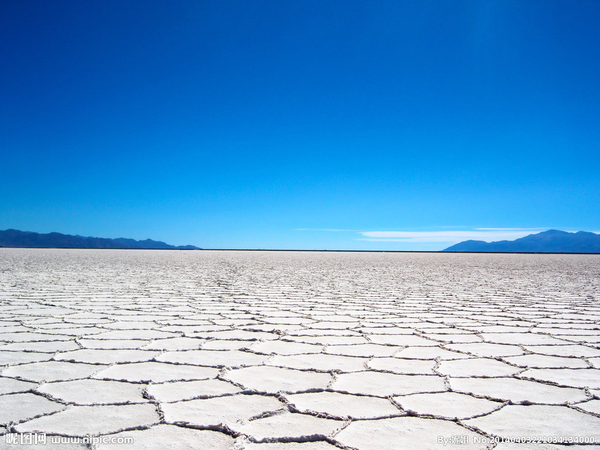
盐碱地
对本问题的正式回答
沙子本就松散,水很容易渗入较深处,不论是淡水还是海水都难以直接在地表留存。如果把海水灌入沙漠——
海水要么向上走——流入地下但所处位置不深的那部分海水会蒸发,并在此处产生低压,位置稍深的海水会同时受水压和沙子下沉的压力,这是高压,高压会推动这部分海水往较浅的低压处流动,最后也蒸发。水蒸发完了就剩下一大堆杂质和盐类物质,不仅在沙地中留下了污染物,还使得沙漠变成了盐碱地。而且由于沙粒间的空隙一会被填充一会又空出,所以还可能会在部分地区引发地表塌陷。
海水要么向下走——一部分海水较快的流入较深的地下,避开了高温而没有蒸发,但这些海水最终会流入地下水中,将地下水污染。
我国西北很多干涸咸水湖的湖床都变成了盐碱地,而且咸水湖沿岸根本无法形成绿洲,反而会在沿岸地区的表面留下大量的盐碱物质,例如罗布泊。
海水引入沙漠这事还有个大问题,沙漠本身就是土壤沙化和岩石风化形成的,本来就比海平面高出不少,输水的时候得把水从低往高运。而且沙漠中基本都是连绵的沙丘,这水输完了存哪去?连个洼地都难找,就算找出来了也基本都是比较小的洼地,能存的水也不多。
对知友提出的相关问题回答①
有些朋友认为,如果往沙漠灌数量非常多的海水,让沙漠里形成一个小海洋或者湖泊,是不是就可以形成绿洲?
答案是这也不可以。
仔细看这句话就能发现不对劲的地方,波斯湾、达格图湖也基本符合这个定义,但它们附近也没有什么绿洲啊。波斯湾周边还有一些绿洲,但这些绿洲基本是由于河流途径、附近高山所致的地形雨等这些外部因素而形成的,跟波斯湾这片海的关系不大。
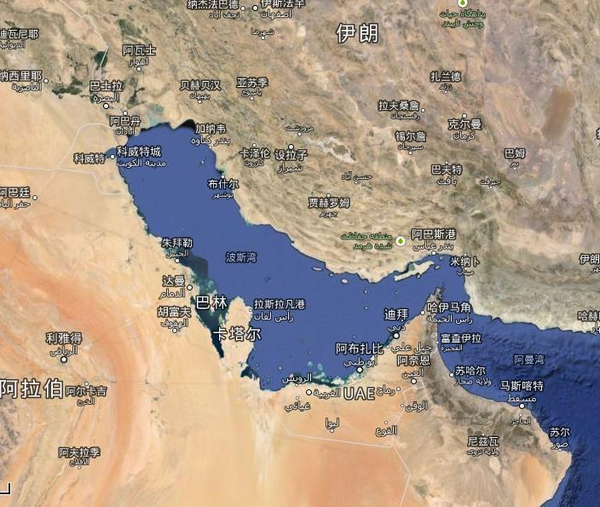
波斯湾
这部分朋友存在的误区有四:一是没有搞清楚江河湖海底部与沙漠地表的区别。二是只在意“有没有水”,而忽略了水的种类和向陆地输水的环节。三是没有考虑到气候、风带、土壤等地理事物在绿洲形成过程中的作用。四是误将一些岩漠、砾漠和泥漠中的湖泊,及其他一些只是与绿洲水体有少许相同点的水体带入到本问题中来考虑,只注意到了“同”,未考虑清楚“异”。
本文开头其实就提到过,沙漠中是极难存蓄水的,并且上文也说到过,将海水从海洋引入沙漠有一定难度。所以在沙漠中造咸水湖都不一定可以成功。
假设成功在沙漠中用海水造了一个咸水湖
但问题是这水是海水,含有大量盐分,陆生植物没法在沿岸地区生存。甚至沿岸地区还可能直接变成“晒盐场”,岸边直接堆积着一大片固态盐类物质,把植物生长的地方都占了。
水生植物也很难在这里面生存下来,因为水底还是沙漠的沙子,不仅无法满足水生植物所需的营养物质,而且也没有多少适合水生植物生长的位置,更别提水生植物的生长区域还要考虑到深度、光照、含氧量、坡度等因素,这个湖泊很难满足这些条件。
有人可能就会想到植物能否在离湖泊稍远、不沾到咸水的近岸地区存活,有些朋友可能还想到了“湖陆风”等知识。“湖陆风”简单来说就是由于温差产生气压差,使得湖上与陆上之间出现了风,就像是冬天在卫生间里放热水,冒出来的水蒸气会跑到天花板,并向卫生间外面移动,如果站在门边仔细感受的话,会觉得有一些冷风往卫生间里灌,湖陆风差不多也是这样。
有些朋友会觉得,由湖面吹向陆地的风含有一定有水分,可以滋润到附近地区。但我们看问题的时候要考虑“得失”,有得就有失——沙漠的一大特点就是蒸发量大,这水汽本来就不多,在输送环节很可能都丢了八九成,最后落到近地面的水汽都约等于零了。
综上也可知,不是有水就万事大吉了。不输水就没用,就像把汽车开到加油站后,还得有人去加油才能让油箱变满,油不可能直接自己跑到车里。输不对水也没用,就相当于给汽油车加柴油,发动机是可以点火,但过一段时间后死火了。
假设真的在湖附近种上了植物
但绿洲还是会受限于当地气候。一个地方的气候条件是非常难改变的,如果外部环境不降温增湿,仅凭这一个湖泊形成的小气候系统还是难以改变什么。
更何况湖泊对气温和湿度的调节也仅限于沿岸地区,对于更远的地区就无法造成多大的影响了,所以就算真的强行造出一个绿洲,不仅规模大不了,而且维护费用会很高。
这也无法通过增大湖泊面积来改变状况,湖泊面积增大后并不会使得沿岸地区的面积增加多少,反倒还可能会使得沙漠面积被过度侵吞,导致对附近其他地区的气候、生态等造成影响。
自然绿洲的成因主要有以下4种:
1.带着一定水汽的风被高山阻挡,从而不断降下地形雨,于是在山麓形成绿洲。
2.高山上的冰雪,也就是固态水,在当地气温较高时就会融化,季节性的向山麓输水,从而形成绿洲。(往往还需要稍好的土质才可以形成绿洲)
3.地下河在荒漠的某个较低的位置出露,不断向当地输水,使得此地出现绿洲。
4.荒漠附近的海洋中有暖流,从而使海洋上方的空气相当湿润,海风再把这些湿润的空气带到陆地上,使得荒漠上也有不少的降水,令原本的荒漠变成了绿洲。
从此处也可看出在沙漠里用海水造湖是无用的,沙漠里基本上没有1和2中提到的高山,更别提还要考虑风了,造湖自然就没用了。3和4中是需要特定的条件,造湖也无法创造这些条件。
对知友提出的相关问题回答②
不少朋友提的一些问题和设想当中都有两个共同的错误。
其一是脱离实际。
有些朋友设想的事情其实已经基本超出人类或者说现有国家的改造自然能力了,这么考虑问题肯定是错的。
基本上只要这个设想中的工程量,超过了历史上的各个超级工程,那么十有八九是干不成的。
其二是轻视规律。
有些人总说“大力出奇迹”一类的话,这就考虑片面了。
可以改变的沙漠,一般只有毛乌素沙漠这类,原本不是沙漠,是后来因环境恶化等原因演变成沙漠的沙漠。
如果是自古以来就是沙漠、位于极端干热地区的沙漠,目前是无法改变的,比如撒哈拉沙漠。
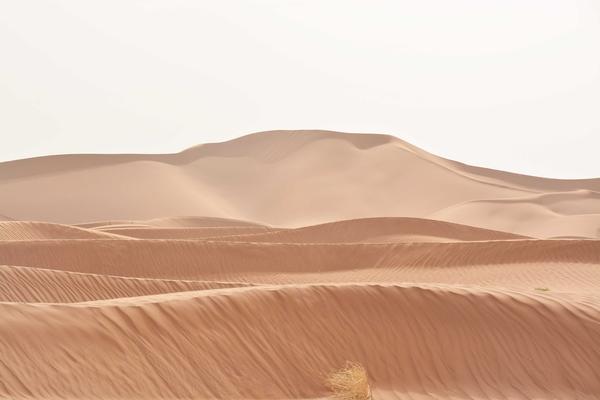
撒哈拉沙漠
如果想要“完全”改变撒哈拉这类的沙漠,那就必须改变全球大气环流,也就是与地球这颗行星的自然规律作对抗,目前人类肯定是无法做到的。
就像下象棋,在目前的规则里,你不可能让車斜着走,这么做就违反规则了,除非你让所有下象棋的人都同意这么干,当然这个例子是很荒唐的。
对知友提出的相关问题回答③
有些朋友问能不能在上文假设的湖里种植“海水稻”和“红树林”。
上文所作的假设其实并没有说明多少条件和信息,以其为基础来作答此问题实际上并不严谨。
红树林是十有八九养不成的,它生长需要的条件比较苛刻,一般是在水热条件非常好的亚热带和热带地区的海湾、河口一类的地方才能生长。
这两种植物生长所需的条件有很多,目前讨论的这种沙漠中的湖泊,自然条件比较恶劣,很可能养不活这两种植物。实际还是得具体问题具体分析,“能不能种‘海水稻’和‘红树林’”这个问题的情境太模糊。
译文:
If we introduce it, it's done. Some Middle Eastern countries have already done this, and as a result, all the seawater has seeped into the desert, turning this vast area into saline alkali land unsuitable for any living organism. The formal answer to this question in saline alkali land is that sand is already loose and water can easily seep deeper, making it difficult for both freshwater and seawater to directly retain on the surface. If seawater is poured into the desert - seawater either flows upwards - the part of seawater that flows into the ground but is not deep will evaporate and generate a low pressure here. The slightly deeper part of seawater will be subjected to both water pressure and sand sinking pressure, which is a high pressure. The high pressure will push this part of seawater to flow towards the shallower low pressure and eventually evaporate. After the water evaporates, a lot of impurities and salt substances remain, not only leaving pollutants in the sand, but also turning the desert into a saline alkali land. Moreover, due to the gaps between sand particles being filled and then emptied, it may also cause surface subsidence in some areas. Seawater either flows downwards - some of it quickly flows into deeper groundwater, avoiding high temperatures without evaporation, but this seawater eventually flows into groundwater, polluting it. Many dry saltwater lakes in northwest China have turned their beds into saline alkali land, and the coastal areas of the saltwater lakes cannot form oases at all. Instead, a large amount of saline alkali substances are left on the surface of the coastal areas, such as Lop Nur. The introduction of seawater into the desert is a major issue. The desert itself is formed by soil desertification and rock weathering, which is already much higher than sea level. When transporting water, it needs to be transported from low to high. And the desert is mostly filled with continuous sand dunes, where will the water be stored after it is drained? Even a depression is difficult to find, and even if it is found, it is usually a relatively small depression with limited water storage capacity. Some friends believe that if a large amount of seawater is poured into the desert to form a small ocean or lake, can an oasis be formed? The answer is that this is also not possible. Take a closer look at this sentence and you will notice something is wrong. The Persian Gulf and Lake Dagtu also meet this definition, but there are no oases near them. There are still some oases around the Persian Gulf, but these oases are mainly formed due to external factors such as river routes and terrain rain caused by nearby high mountains, and have little to do with the Persian Gulf as a sea. There are four misconceptions among friends in the Persian Gulf: firstly, they have not clarified the difference between the underwater parts of rivers, lakes, and deserts. The second is to only focus on whether there is water, while ignoring the types of water and the process of transporting water to the land. Thirdly, the role of geographical factors such as climate, wind belts, and soil in the formation of oases was not taken into account. Fourthly, some lakes in rocky, conglomerate, and muddy deserts, as well as other water bodies that only have slight similarities with oasis water bodies, were mistakenly brought into this problem for consideration, only paying attention to "similarities" and not considering "differences" clearly. At the beginning of this article, it was actually mentioned that it is extremely difficult to store water in deserts, and as mentioned earlier, it is difficult to introduce seawater from the ocean into deserts. So building saltwater lakes in the desert may not necessarily be successful. Assuming a successful creation of a saltwater lake using seawater in the desert, the problem is that the water is seawater, containing a large amount of salt, and terrestrial plants cannot survive in coastal areas. Even coastal areas may directly become "salt fields", with a large accumulation of solid salt substances on the shore, occupying the areas where plants grow. It is also difficult for aquatic plants to survive here because the bottom of the water is still desert sand, which not only cannot meet the nutrients needed by aquatic plants, but there are also not many suitable locations for their growth. Not to mention that the growth area of aquatic plants also needs to consider factors such as depth, light, oxygen content, slope, etc. This lake is difficult to meet these conditions. Some people may think about whether plants can survive in nearshore areas slightly away from lakes and not exposed to saltwater, and some friends may even think of knowledge such as "lake land breeze". In simple terms, "lake land breeze" refers to the air pressure difference caused by temperature differences, which creates wind between the lake and the land. It is like putting hot water in the bathroom in winter, and the steam that comes out will run to the ceiling and move towards the outside of the bathroom. If you stand by the door and feel it carefully, you will feel that some cold air is pouring into the bathroom, and the lake land breeze is similar. Some friends may feel that the wind blowing from the lake to the land contains some moisture that can nourish nearby areas. But when we look at problems, we need to consider "gains and losses". There are gains and losses - a major characteristic of deserts is their high evaporation capacity, which is not much water vapor. It is likely that 80-90% of the water vapor is lost in the transportation process, and the water vapor that falls near the ground is about zero. From the above, it can be concluded that everything is good without water. It's useless without water supply, just like driving a car to a gas station and needing someone to refuel to fill the fuel tank. It's impossible for the fuel to run directly into the car. It's useless even if the water is not supplied properly, it's like adding diesel to a gasoline car. The engine can start, but after a period of time, it stalls. Assuming that plants are indeed planted near the lake, the oasis will still be limited by the local climate. The climate conditions of a place are very difficult to change. If the external environment does not cool down and increase humidity, the microclimate system formed by this lake alone is still difficult to change. Moreover, the regulation of temperature and humidity by lakes is limited to coastal areas, and it cannot have a significant impact on further areas. Therefore, even if an oasis is forcibly built, it will not only be of a large scale but also incur high maintenance costs. This cannot be changed by increasing the area of lakes. Increasing the area of lakes will not increase the area of coastal areas much, but may also lead to excessive encroachment of desert areas, resulting in impacts on the climate, ecology, and other aspects of nearby areas. There are four main causes of natural oases: 1. Wind carrying a certain amount of water vapor is blocked by high mountains, causing continuous rainfall on the terrain, resulting in the formation of oases at the foot of the mountains. 2. The ice and snow on high mountains, also known as solid water, will melt when the local temperature is high, and seasonal water will be transported to the foothills, forming oases. (Often requiring slightly better soil quality to form an oasis) 3. Underground rivers are exposed at a lower position in the desert, continuously transporting water to the local area, resulting in the emergence of an oasis in this area. 4. There are warm currents in the ocean near the desert, which makes the air above the ocean quite humid. The sea breeze then carries this humid air to the land, causing a lot of precipitation on the desert, turning the original desert into an oasis. From here, it can also be seen that using seawater to make lakes in the desert is useless. There are basically no high mountains mentioned in 1 and 2 in the desert, let alone considering the wind, making lakes naturally useless. 3 and 4 require specific conditions, and lake construction cannot create these conditions. Answering the relevant questions raised by friends ② Many of the questions and ideas raised by friends share two common errors. One is to deviate from reality. Some friends have imagined things that have basically exceeded the ability of humans or existing countries to transform nature, so considering the issue in this way is definitely wrong. Basically, as long as the amount of work in this idea exceeds that of various super projects in history, it is highly unlikely that it will be completed. The second is to underestimate laws. Some people always say things like "miracles come out of great effort," which is a one-sided consideration. The only deserts that can be changed are usually the Mu Us Desert, which was not originally a desert but later evolved into a desert due to environmental degradation and other reasons. If it is a desert that has been a desert since ancient times and is located in extreme dry and hot areas, it cannot be changed at present, such as the Sahara Desert. If the Sahara Desert wants to completely change deserts like the Sahara, it must change the global atmospheric circulation, which is to confront the natural laws of the planet Earth. Currently, humans are definitely unable to do so. Just like playing chess, in the current rules, you cannot let the car walk diagonally, and doing so violates the rules unless you make all the chess players agree to do so. Of course, this example is absurd. Some friends ask if it is possible to plant "saltwater rice" and "mangroves" in the lake assumed in the previous text. The assumptions made in the previous text did not actually explain much conditions and information, and using them as a basis to answer this question is not actually rigorous. Nine out of ten mangroves cannot be cultivated, and their growth requires strict conditions, usually in bays and estuaries in subtropical and tropical regions with excellent water and heat conditions. There are many conditions required for the growth of these two plants, and the lakes in the desert currently under discussion have relatively harsh natural conditions, which may not be able to support these two plants. In reality, we still need to analyze the specific problems. The context of whether it is possible to plant 'seawater rice' and 'mangrove forests' is too vague.
句子分析1:
After the water evaporates, a lot of impurities and salt substances remain, not only leaving pollutants in the sand, but also turning the desert into a saline alkali land.
句子成分分析:
After the water evaporates, || a lot of impurities and salt substances remain, not only leaving pollutants [in the sand], but also turning the desert into a saline alkali land.
句子语法结构详解:
* after 为连词,引导时间状语从句。
* evaporates 为谓语,采用一般现在时。动词采用第三人称单数形式。
* a lot of 开头为陈述句。
* remain 为谓语,采用一般现在时。
* not only leaving 为现在分词否定形式,作状语。
* 句中含有 not only...but also... 并列结构,意为“不但……而且……”。
* turning 为现在分词。
* the 为定冠词。
相关语法知识:
 状语从句
状语从句
时态
动词的第三人称单数形式
并列连词
现在分词
句子相关词汇解释:
Phrase:
| a lot of | 许多 |
| but also | 而且 |
| turn...into... | 使...变为..., 使...成为..., 把...转换为... |
| not only...but also... | 不仅...而且... |
Vocabulary:
| after ['ɑ:ftә] | conj. | (时间上)在...之后 |
| water ['wɔ:tә] | n. | 1) 水 2) 水域,江河湖海 |
| evaporate [i'væpәreit] | vi. | 1) 蒸发,挥发 2) (逐渐)消失,消散,衰减 |
| impurity [im'pjuәriti] | n. | 1) 杂质 2) 肮脏,不纯,淫秽 |
| and [ænd] | conj. | 1) 和, 与, 同, 并 2) 然后,接着 |
| salt [sɔ:lt] | a. | 含盐的,咸的,用盐腌制的 |
| substance ['sʌbstәns] | n. | 1) 物质 2) 事实根据 |
| remain [ri'mein] | vi. | 1) 剩下,留下,遗留 2) 仍然保持 |
| leave [li:v] | vt. | 1) 离开 2) 忘了带,丟下 3) 使留下, 使产生 |
| pollutant [pә'lu:tәnt] | n. | 污染物,污染物质 |
| sand [sænd] | n. | 1) 沙 2) 沙滩 |
| desert ['dezәt] | n. | 沙漠,荒原 |
| saline ['seilain] | a. | 盐的;含盐的;咸的 |
| alkali ['ælkәlai] | n. | 碱 |
| land [lænd] | n. | 1) (有专门用途的)土地 2) 陆地 |
句子语法错误检查:
(未发现错误)
句子相关学习点:
 现在分词作状语和不定式作状语的区别
句子分析2:
Take a closer look at this sentence and you will notice something is wrong.
句子成分分析:
Take a closer look (at this sentence) || and you will notice | something is wrong.
句子语法结构详解:
(closer 为 close 的比较级形式)
* 开头为祈使句。
* take 为谓语。
* and 为并列连词,连接并列句。
* notice 为谓语,采用一般将来时。
* something 开头为宾语从句,引导词 that 被省略。
* is 为系动词作谓语,采用一般现在时。
* wrong 为形容词作表语。
* you 为人称代词。will 为情态动词。something 为不定代词。a 为不定冠词。
相关语法知识:
祈使句
形容词的比较级和最高级
并列连词
时态
宾语从句
系动词
表语
人称代词 | 情态动词 | 不定代词
句子相关词汇解释:
Phrase:
| take a look at... | 看一看... |
| Something is wrong. | 出了问题 |
Vocabulary:
| close [kləʊs] | a. | 1) (家庭关系)亲近的 2) (在空间、时间上)近的 |
| this [θis] | a. | 1) 这(个) 2) 今,本 |
| sentence ['sentәns] | n. | 1) 句子 2) 判刑,宣判 |
| and [ænd] | conj. | 1) 和, 与, 同, 并 2) 然后,接着 |
| notice ['nәutis] | vt. | 1) 看(或听)到,注意到,意识到 2) 注意,留意 |
句子语法错误检查:
(未发现错误)
句子相关学习点:
cost, spend, take 的区别
以上是秒词邦为您整理编写的文章《为什么人们不将海水引入沙漠?》的全部内容。秒词邦是国内权威分题型分考点背诵中高考/四六级考研/专升本/出国单词的专业单词软件。扫描如下小程序码,进入秒词邦官方小程序获取更多英语相关资料! 【关键词:高考单词;高考英语;高中单词;高中英语;单词app;单词软件;记单词app;记单词软件;背单词软件;背单词app;英语单词;四六级单词;四六级英语;四六级单词app;四六级单词软件;考研单词app;考研单词软件;核心单词;高考冲刺复习;高考英语教材;高考英语真题;四六级真题;四六级试题;考研真题;考研英语单词;考研英语真题】