三问“取消公摊”:对房价影响究竟有多大 ——秒词邦背单词app

近年来,“取消公摊”的业界呼声从未间断。日前,广东一地明确“自5月1日起,商品房实行按套内面积计价宣传销售”,再度让这一老生常谈的话题进入公众视野。
长期以来,我国商品房销售中普遍附加公摊面积。有统计显示,我国目前商品住房公摊面积普遍在20%~30%左右。对于一二线城市购房者而言,二三成的公摊面积意味着动辄百万元的支出。与此同时,由于计算方式不透明、少数开发商“暗箱操作”、产权和收益权不统一,也让公摊面积成为房地产交易过程中多年饱受诟病的话题。
随着住房交易进入存量市场和买房市场,多地政府和开发商开始主动做出改变。近年来,为了提振购房者信心,减少买房顾虑,合肥等地提出“积极探索按套内面积计价”,山东等地则提出“公摊面积需在合同中明确标准”。另有受访的业界人士表示,目前,已有多地开发商开始主动选择“按套内面积”的计价模式,进行住房销售。
不过,取消公摊是否能给消费者带来实质性利好、当前全面推行时机是否成熟等尚存在诸多争议。
取消公摊会导致房价上涨吗
广东省肇庆市住房和城乡建设局近日发布《关于全市范围内商品房实行按套内面积计价宣传销售的通知》,提出从2024年5月1日起,实行按住房套内面积计价宣传销售。
根据第一财经4日报道,目前,肇庆市只是要求“按套内面积计价宣传和销售”,这并不代表公摊面积不需要付费。换言之,肇庆市并未实质性取消住房公摊面积。
不过,肇庆市的新政依然引发社会对“取消公摊面积的合理性和可行性”的广泛探讨,尤其是“取消公摊会导致房价上涨吗”的话题一度冲上舆论热搜。对此,多名接受第一财经采访的业界人士认为,商品房销售中的计价方式改变与否,总房价理论上都不会发生变化。
上海师范大学商学院教授、房地产与城市发展研究中心主任崔光灿对记者分析说,按套内面积计价由于面积的基础不同,单位面积的名义价格肯定会上升,但并不一定带来实际房价的上升,对于规范的企业来说,只是计价方式的变化,不会影响开发企业的总收入,对于购房人来说,也不会有购房总价的变化。
首都经济贸易大学京津冀房地产研究院院长、北京市房地产法学会副会长兼秘书长赵秀池持相近态度。她告诉记者,从计量口径上取消公摊,会导致整套房的住房面积减少,而房屋总价不会发生变化,因此总价不会改变,以住房面积计量的单价会上涨。
清华大学中国新型城镇化研究院执行副院长、教授尹稚曾撰文表示,在房屋总价值不变的情况下,按照什么样的面积去作价销售,只是一个“算法游戏”。
他去年10月在《新型城镇化》期刊上发表了一篇题为《公摊面积应该取消吗?》的署名文章。其中称,房屋买卖环节和一个房子值多少总价不会因为算法而变化,它的实际价值放在那儿。总房价水平会在楼面地价基础上,加上建筑造价、各种税费、企业利润、销售环节中的各种开销、政府税收等,最后综合确定一个售价。“至于说怎么算让你感觉到你占便宜了,那是卖家在操纵背后的算法游戏而已。”
重庆执行“以套内面积作为计价依据”多年,中国社科院研究员王业强对记者表示,目前,重庆依然是两套计价体系并存,但全市购房者缴纳契税、物业费、装修等均是按照建筑面积计算。
据其介绍,目前,重庆开发商通常会给两套价格标准,且都会写入购房合同。从执行结果来看,两套标准的房屋总价不变,套内单价高于建面单价。
但他同时提示称,尽管理论上“取不取消公摊面积和房价没有必然的联系”,但在目前的市场条件下,价格调高面临一定的压力。
“如果取消公摊不调高房子均价,那对购房者来说可以省下一大笔费用,将有力刺激房地产消费。”王业强说。
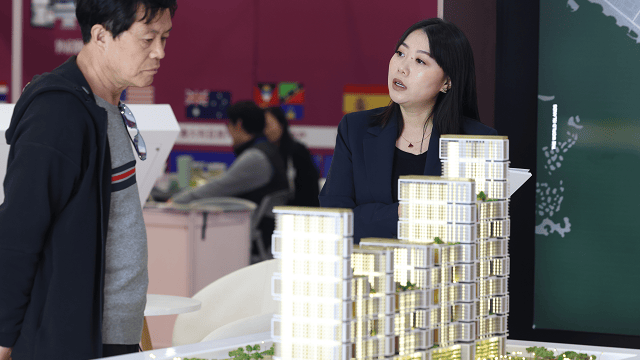
取消公摊利好消费者吗
公摊面积之所以常被诟病,一方面是因为其内涵、计算方式太过于专业复杂,且标准不统一,购房人难以弄明白,也不愿为“看不见”的面积多花“冤枉钱”;另一方面,是因为随着更多高层、高档楼盘入市,在房价本就相对较高的一二线城市,购房者需要为公摊面积花费更多购房款。
赵秀池表示,公摊面积是确实存在的,不管以什么形式计量,都是回避不了公摊面积的。而且楼层越高,公摊面积越大;住房质量越高,公摊面积越大。
以北京为例,今年“五一”假期期间,记者走访海淀某新盘项目。一名房产中介对记者表示:“这处新房单价较低,但得房率不占优势,在76%左右;旁边的次新房得房率约85%。按照新房8.2万元/平方米计算,相当于买100平方米的三居,要花近200万在公摊面积上。”
得房率是指套内面积占建筑总面积的比例,也称为K值。尹稚在前述文章中提到“上世纪80 年代的时候,全国通用的住宅K值能达到85%以上”。
另有证券公司研报显示,近年来,我国高层住房的得房率在70%~80%左右。
“从权属的角度来看,公摊面积是业主的共有产权,业主的产权面积包括套内面积和公摊面积。所以,公众目前所谈及的取消公摊,更确切地来说,是希望改变商品房销售的计价方式。”成都市城市建设发展研究院副院长冯波告诉记者。
据冯波介绍,事实上,“按套内建筑面积计价”并不存在制度障碍。根据现行的《商品房销售管理办法》,商品房销售计价有三种方式:按套(单元)计价、按套内建筑面积计价和建筑面积计价。
冯波表示,以套内面积计价,一方面,让购房人对购房成本更直观。因为建筑面积含了公摊面积,较使用面积大,而套内面积与实际使用面积比较接近或者可能还小于使用面积。另一方面,有利于预售商品房面积差异处理。按照《商品房销售管理办法》,商品房买卖合同未作约定的,按以下原则处理:面积误差比绝对值在3%以内(含3%)的,据实结算房价款;面积误差比绝对值超出3%时,买受人有权退房。
崔光灿也认为,住房按套内面积销售或按套销售,更有利于保障购房人的权益。他提出了另外两点原因,其一,由于公摊面积没有规范性标准,可大可小,且透明性不足,可能会损害购房人权益;其二,购房不仅要考虑交易成本,也需考虑使用成本。“后面的使用费用如暖气费等,如果按建筑面积分摊也不尽合理。”
赵秀池则有不同的看法。她提到,公摊面积怎么计量,已有相应的法律法规,只是专业性较强,不为一般老百姓掌握。维持现状更有利于楼市平稳健康发展,避免由于住房面积计量口径的改变导致的各种收费标准的调整,也便于楼市的长期数据的积累与比较,更有利于科学决策。
赵秀池还认为,按套内面积计价的房价,单价反而会提高。由此,以面积计价的物业费、暖气费等都要做相应调整。
开发商、地方政府改变计价模式意愿几何
在崔光灿看来,把公摊面积计入建筑面积的计价方式,总体是有利于开发销售方。但目前我国住房供需关系已发生重大变化,住房销售中购房人的权益应该得到更多的保障,如果要改变为按套内面积计价的话,具备一定合理性。目前,“改变计价模式”在法律层面已不存在障碍,但在实践中,仍需开发企业等多方配合。
记者了解到,近年来,已有一些开发商开始主动选择“按套内面积”计价出售新房,以规避因为公摊面积而产生的争端或民事纠纷。
有受访房产测绘人士表示,预售商品房的面积是根据建筑设计图纸预测出来的,在房屋建设过程中,可能存在部分区域设计和施工调整,最终在房屋竣工后实际测绘时,产生面积差异,个别商品房项目甚至可能出现交房实测的公摊面积变化较大的情况。以套内面积计价,可以更好解决面积差异带来的房款结算问题,也可避免一些矛盾纠纷。
“虽然大部分城市都未明确要求按套内面积计价,但一些开发商签订商品房买卖合同时,倾向于选择套内计价。”冯波进一步提到。
从现阶段来看,多名受访业界人士认为,全面取消公摊的条件尚未成熟。当前多数新房项目仍按照建筑面积计价,基于此,应增加公摊面积的透明度,避免公摊面积过大;与此同时,可以有更多城市试点探索“按套内面积计价”。
在仍计算公摊面积的背景下,为了保护购房者权益,合理提高得房率,3月以来,珠海和长沙两地先后明确和优化房地产开发项目中有关赠送面积的规则。
比如,根据珠海市自然资源局3月初印发的《关于印发优化规划管理助力高质量发展若干措施的通知》,优化完善房屋计容建筑面积计算规定。增加多种不计容建筑面积情形,包括公共开放空间的交通附属设施;既有房屋增设必要的消防楼梯、连廊、无障碍设施、电梯等。支持商业服务业建筑按层集中设置不超过该层水平投影面积5%的公共半开敞空间,按其水平投影面积一半计算计容建筑面积。
而除了重庆、肇庆,合肥也加入商品房销售“按套内面积计价”的队列。3月初,“中共合肥市委办公室”在人民网领导留言板上答复网友提问时称,为避免公摊面积比例过大,我市积极探索商品房销售按套内面积计价,相关具体工作正在探索推进。目前,已有试点项目在销售现场同步公布建筑面积销售单价和套内建筑面积销售单价。
崔光灿建议,未来,要想进一步推动房地产市场计价方式改革,鼓励按套内面积计价,还需在行政管理上做出一系列政策完善。比如,后期产权登记上的面积设定,依据房价的相关税费标准等。
新闻译文:
In recent years, the industry's call for the cancellation of public sharing has never ceased. Recently, Guangdong province has made it clear that "starting from May 1st, commercial housing will be priced and promoted for sale based on the interior area of each unit", once again bringing this clich é d topic into the public eye.
For a long time, it has been common in China to add shared area to the sales of commercial housing. Statistics show that the current shared area of commercial housing in China is generally around 20% to 30%. For homebuyers in first and second tier cities, 20% to 30% of the shared area means spending millions of yuan. At the same time, due to opaque calculation methods, some developers operating in secret, and inconsistent property rights and income rights, the shared area has also become a topic of criticism in the real estate transaction process for many years.
As housing transactions enter the stock market and the buying market, many local governments and developers are taking the initiative to make changes. In recent years, in order to boost the confidence of homebuyers and reduce their concerns about buying a house, cities such as Hefei have proposed to actively explore pricing based on the area inside the house, while cities like Shandong have proposed to clarify standards for shared area in contracts. Another industry insider interviewed stated that currently, many developers in different regions have actively chosen the pricing model of "based on the area inside the unit" for housing sales.
However, there are still many controversies regarding whether the cancellation of public stalls can bring substantial benefits to consumers and whether the current timing for comprehensive implementation is ripe.
Will canceling public sharing lead to an increase in housing prices
The Housing and Urban Rural Development Bureau of Zhaoqing City, Guangdong Province, recently issued a notice on the implementation of price based promotion and sales of commercial housing within the city, proposing to implement price based promotion and sales of housing within the unit area from May 1, 2024.
According to a report by First financial on the 4th, currently, Zhaoqing City only requires "advertising and sales based on the area within the set", which does not mean that the shared area does not need to be paid. In other words, Zhaoqing City has not substantially cancelled the shared housing area.
However, the new policy in Zhaoqing City still sparked widespread discussion in society about the rationality and feasibility of canceling shared areas, especially the topic of "will canceling shared areas lead to an increase in housing prices" which once surged in public opinion. Several industry insiders interviewed by First Financial believe that whether the pricing method in the sale of commercial housing changes or not, the total housing price theoretically will not change.
Cui Guangcan, a professor at the School of Business at Shanghai normal University and director of the Real Estate and Urban Development Research Center, analyzed to reporters that pricing based on the unit area will definitely increase in nominal price per unit area due to different areas, but it does not necessarily lead to an increase in actual housing prices. For standardized enterprises, only changes in pricing methods will not affect the total income of development enterprises, and for homebuyers, there will be no changes in the total purchase price.
Zhao Xiuchi, Dean of the Beijing Tianjin Hebei Real Estate Research Institute at Capital University of Economics and Trade and Vice president and Secretary general of the Beijing Real Estate law Society, holds a similar attitude. She told reporters that canceling public sharing from a measurement perspective will lead to a decrease in the housing area of the entire unit, while the total price of the house will not change, so the total price will not change, and the unit price measured by housing area will increase.
Yin Zhi, Executive Vice Dean and Professor of the China Institute of New Urbanization at Tsinghua University, once wrote an article stating that it is just an "algorithmic game" to determine the pricing and sales based on the same total value of houses.
He published a signed article titled "Should Shared Area be Abolished?" in the journal New Urbanization last October. Among them, it is stated that the buying and selling process of a house and the total price of a house will not change due to the algorithm, and its actual value will be placed there. The total housing price level will be determined on the basis of the floor price, plus construction cost, various taxes and fees, corporate profits, various expenses in the sales process, government taxes, etc., to finally comprehensively determine a selling price. "As for how to make you feel like you're taking advantage, it's just the seller manipulating the algorithm game behind it."
For many years, Chongqing has been implementing the principle of using the interior area as the basis for pricing. Wang Yeqiang, a researcher at the Chinese Academy of Social Sciences, told reporters that currently, Chongqing still has two pricing systems coexisting, but homebuyers in the city pay deed tax, property fees, decoration, and other fees based on the building area.
According to its introduction, currently, developers in Chongqing usually offer two sets of price standards, both of which are included in the purchase contract. From the execution results, it can be seen that the total price of the two standard houses remains unchanged, and the unit price inside the houses is higher than the unit price on the building surface.
However, he also pointed out that although there is no necessary connection between whether to cancel the shared area and housing prices in theory, in the current market conditions, raising prices faces certain pressure.
"If we cancel public sharing and do not increase the average price of houses, it can save a lot of costs for homebuyers and effectively stimulate real estate consumption," said Wang Yeqiang.
Does canceling public sharing benefit consumers
The reason why shared area is often criticized is, on the one hand, because its connotation and calculation method are too professional and complex, and the standards are not unified, making it difficult for homebuyers to understand and unwilling to spend more money on "invisible" areas; On the other hand, it is because as more high-rise and high-end properties enter the market, homebuyers in first - and second tier cities where housing prices are already relatively high need to spend more on the shared area to purchase a house.
Zhao Xiuchi stated that shared area does indeed exist, and regardless of the form of measurement, it cannot be avoided. And the higher the floor, the larger the shared area; The higher the quality of housing, the larger the shared area.
Taking Beijing as an example, during this year's May Day holiday, reporters visited a new project in Haidian. A real estate agent told reporters, "The unit price of this new house is relatively low, but the occupancy rate is not advantageous, around 76%; the occupancy rate of the second new house next to it is about 85%. Calculated at 82000 yuan/square meter for a new house, it is equivalent to buying a 100 square meter three bedroom apartment, which would cost nearly 2 million yuan on the shared area."
The occupancy rate refers to the proportion of the interior area of the house to the total building area, also known as the K value. In the aforementioned article, Yin Zhi mentioned that "in the 1980s, the K value of nationally recognized residential buildings could reach over 85%.".
Another securities company's research report shows that in recent years, the occupancy rate of high-rise housing in China has been around 70% to 80%.
"From the perspective of ownership, the shared area is the common property of the owners, which includes both the interior area and the shared area. Therefore, the public's current discussion of canceling shared area is more precisely aimed at changing the pricing method of commercial housing sales." Feng Bo, Vice President of Chengdu Urban Construction and Development Research Institute, told reporters.
According to Feng Bo, in fact, there is no institutional obstacle to pricing based on the area of the building inside the unit. according to the current Measures for the Administration of the Sale of Commercial Housing, there are three ways to price the sale of commercial housing: pricing based on the unit, pricing based on the building area inside the unit, and pricing based on the building area.
Feng Bo stated that pricing based on the interior area of a property allows buyers to have a more intuitive understanding of the cost of purchasing a property. Because the building area includes the shared area, it is larger than the usable area, while the interior area is closer to or may be smaller than the actual usable area. On the other hand, it is beneficial for handling differences in the area of pre-sale commercial housing. According to the Measures for the Administration of Sales of Commercial Housing, if there is no agreement in the sales contract of commercial housing, the following principles shall be followed: if the absolute value of the area error ratio is within 3% (including 3%), the housing price shall be settled based on the actual situation; When the area error exceeds 3% of the absolute value, the buyer has the right to check out.
Cui Guangcan also believes that selling housing according to the inner area of the unit or according to the unit is more conducive to protecting the rights and interests of homebuyers. He proposed two other reasons. Firstly, due to the lack of normative standards for shared area, which can be large or small, and insufficient transparency, it may harm the rights and interests of homebuyers; Secondly, when purchasing a house, not only should transaction costs be considered, but also usage costs. "The subsequent usage costs, such as heating fees, may not be reasonably allocated based on the building area."
Zhao Xiuchi has a different view. She mentioned that there are corresponding laws and regulations on how to measure the shared area, but it is highly specialized and not mastered by the general public. Maintaining the status quo is more conducive to the stable and healthy development of the real estate market, avoiding adjustments to various fee standards caused by changes in the measurement of housing area, and facilitating the accumulation and comparison of long-term data in the real estate market, which is more conducive to scientific decision-making.
Zhao Xiuchi also believes that the unit price of a house priced based on its interior area will actually increase. Therefore, property fees, heating fees, etc. priced by area need to be adjusted accordingly.
How willing are developers and local governments to change their pricing models
In Cui Guangcan's view, the pricing method of including shared area in building area is generally beneficial for development and sales parties. However, there have been significant changes in the supply and demand relationship of housing in China, and the rights and interests of homebuyers in housing sales should be more protected. If we want to change the pricing to be based on the area inside the house, it is reasonable. At present, there are no legal obstacles to changing the pricing model, but in practice, cooperation from multiple parties such as development enterprises is still needed.
The reporter learned that in recent years, some developers have begun to actively choose to sell new houses based on the unit area, in order to avoid disputes or civil disputes arising from shared area.
A surveyed real estate surveyor stated that the area of pre-sale commercial housing is predicted based on architectural design drawings. During the construction process of the house, there may be some regional design and construction adjustments, resulting in differences in area during actual surveying after the completion of the house. Some commercial housing projects may even have significant changes in the shared area measured during delivery. Pricing based on the area inside the unit can better solve the settlement problems caused by differences in area and also avoid some conflicts and disputes.
"Although most cities do not explicitly require pricing based on the area inside the property, some developers tend to choose pricing within the property when signing sales contracts for commercial housing," Feng Bo further mentioned.
At present, several industry insiders interviewed believe that the conditions for the complete cancellation of public sharing are not yet mature. Currently, most new housing projects are still priced based on building area. Based on this, transparency of shared area should be increased to avoid excessive shared area; At the same time, more cities can pilot the exploration of "pricing based on the area within a set".
In the context of still calculating the shared area, in order to protect the rights and interests of homebuyers and reasonably increase the housing acquisition rate, since March, Zhuhai and Changsha have successively clarified and optimized the rules related to gifted area in real estate development projects.
For example, according to the Notice on Printing and Distributing Several Measures to Optimize Planning and management to Assist High quality Development issued by the Zhuhai Natural Resources Bureau in early March, the calculation regulations for building capacity and building area have been optimized and improved. Increase various non capacity building areas, including transportation facilities in public open spaces; Add necessary fire stairs, corridors, accessibility facilities, elevators, etc. to existing buildings. Support commercial and service industry buildings to set up public semi open spaces that do not exceed 5% of the horizontal projection area of each floor, and calculate the building area based on half of its horizontal projection area.
In addition to Chongqing and Zhaoqing, Hefei has also joined the queue of selling commercial housing based on the unit area. In early March, the "Office of the Communist Party of China Hefei Municipal Committee" responded to netizens' questions on the leadership message board of People's Daily Online, stating that in order to avoid a large proportion of shared area, our city is actively exploring the pricing of commercial housing sales based on the unit area, and related specific work is being explored and promoted. At present, pilot projects have simultaneously announced the sales unit price of building area and the sales unit price of interior building area at the sales site.
Cui Guangcan suggested that in the future, in order to further promote the reform of the pricing method in the real estate market and encourage pricing based on the area inside the property, a series of policy improvements need to be made in administrative management. For example, the area setting in the later stage of property rights registration is based on the relevant tax and fee standards of housing prices.
句子成分分析:
[At present], several industry insiders interviewed believe | that the conditions (for the complete cancellation (of
public sharing)) are not yet mature.
句子语法结构详解:
* interviewed 为过去分词,作后置定语。
* believe 为谓语,采用一般现在时。
* that 为连词,引导宾语从句。
* sharing 为动名词,作介词宾语。
* are 为系动词作谓语,采用一般现在时。
* mature 为形容词作表语。
* the 为定冠词。
句子相关词汇解释:
Phrase:
| at present | 目前, 现在 |
| not yet | 还没 |
Vocabulary:
| several ['sevәrәl] | a. | 1) 几个 2) 各自的,分别的 |
| industry ['indәstri] | n. | 1) 工业,生产制造 2) 行业 |
| insider ['in'saidә] | n. | 知内情者,内部的人 |
| interview ['intәvju:] | vt. | 1) (私下)提问,面谈 2) 对(某人)进行面试(或面谈) |
| believe [bi'li:v] | vt. | 1) 相信,认为真实 2) 认为(……有可能), 把(某事)当真 |
| condition [kәn'diʃәn] | n. | 1) 环境,条件 2) 状态 |
| complete [kәm'pli:t] | a. | 1) (用以强调)完全的,彻底的 2) 全部的,完整的,整个的 |
| cancellation [kænsә'leiʃәn] | n. | 1) 取消;撤销 2) 被取消了的事物 |
| public ['pʌblik] | a. | 1) 公共的,公立的 2) 平民的,大众的,公众的,百姓的 |
| share [ʃєә] | vi. | 1) 分享,共享 2) 共有,合用 |
| mature [mә'tjuә] | a. | 1) (儿童或年轻人)明白事理的,成熟的,像成人似的 2) (人、树木、鸟或动物)成熟的,发育完全的 |
句子成分分析:
Support commercial and service industry buildings toset up public semi open spaces (that do not exceed 5% (of
the horizontal projection area (of each floor))), and calculate the building area (based on half (of its horizontal
projection area)).
句子语法结构详解:
* to set 为不定式,作后置定语。
* open 为谓语,采用一般现在时。
* that 为关系代词,引导定语从句。
* exceed 为谓语,采用一般现在时。
* calculate 为谓语。
* based on half of its horizontal projection area 为后置定语。
* its 为物主代词。do 为助动词。the 为定冠词。
句子相关词汇解释:
Phrase:
| service industry | (经)第三产业;服务业 |
| set...up | 1) 设立...,建起... 2) 设置...,安装好...,装配好... |
| be based on... | 基于... |
Vocabulary:
| support [sә'pɔ:t] | n. | 1) 支持,帮助 2) 支援,救助 |
| commercial [kә'mә:ʃәl] | n. | 商业广告 |
| and [ænd] | conj. | 1) 和, 与, 同, 并 2) 然后,接着 |
| building ['bildiŋ] | n. | 1) 建筑物,房子,楼房 2) 建筑,建筑业 |
| public ['pʌblik] | a. | 1) 公共的,公立的 2) 平民的,大众的,公众的,百姓的 |
| semi | n. | 1) 半独立式住宅 2) 半挂车;半拖车 |
| open ['әupәn] | vt. | 1) 打开,开启, 开 2) 开通, 开辟 |
| space [speis] | n. | 1) 空间, 空地 2) 太空, 外层空间 3) 空, 空隙 |
| exceed [ik'si:d] | vt. | 1) 超过(数量) 2) 超越(法律、命令等)的限制 |
| horizontal [,hɔri'zɔntәl] | a. | 水平的,与地面平行的,横的 |
| projection [prә'dʒekʃәn] | n. | 发射, 计划, 突出部分, 设计, 推测 |
| area ['єәriә] | n. | 1) 地区,区域,地域 2) 面积 3) (物体上的)区,部位 4) 领域,方面 |
| each [i:tʃ] | a. | 每, 各 |
| floor [flɔ:] | n. | 1) 地板,地面 2) 底板 |
| calculate ['kælkjuleit] | vt. | 1) 计算,核算 2) 预测,推测 |
以上是秒词邦为您整理编写的文章《三问“取消公摊”:对房价影响究竟有多大 ——秒词邦背单词app》的全部内容。秒词邦是国内权威分题型分考点背诵中高考/四六级考研/专升本/出国单词的专业单词软件。扫描如下小程序码,进入秒词邦官方小程序获取更多英语相关资料! 【关键词:高考单词;高考英语;高中单词;高中英语;单词app;单词软件;记单词app;记单词软件;背单词软件;背单词app;英语单词;四六级单词;四六级英语;四六级单词app;四六级单词软件;考研单词app;考研单词软件;核心单词;高考冲刺复习;高考英语教材;高考英语真题;四六级真题;四六级试题;考研真题;考研英语单词;考研英语真题】