日本政府和东电不断制造谎言 专家称处理核污染水问题不公开不透明 ——秒词邦背单词app
反对福岛核污染水排海原告团律师:政府和东电不断制造谎言 失信于民
2011年3月11日,日本福岛县附近海域发生9.0级特大地震,地震引发的巨大海啸袭击了福岛第一核电站,造成核电站1至3号机组堆芯熔毁。时至今日,如何处理福岛第一核电站堆芯熔毁的反应堆以及海量的核污染水一直存在争议。而日本政府不顾国内和国际社会的反对,强推核污染水排海。去年9月,一支由日本知名律师牵头、福岛县渔业者以及核事故受害者等组成的原告团,先后两次提起诉讼。他们指出,日本政府和东电公司不断制造谎言,早已失信于民。
反对福岛核污染水排海原告团律师 广田次男:日本政府和东电公司本应全力防止核污染水产生,但是采取的方法非常随意,才造成现在的状况。关于第一次损害(核事故),政府和东电都没有承担责任,只是口头道歉,称不会重犯错误,但这次是故意排海,制造第二次损害,这是我们决不能原谅的,我们的诉讼诉求就是要阻止排海。
广田次男是日本知名律师,2011年福岛核事故发生后,他曾参与多起核事故赔偿诉讼案,追究日本政府和东电公司的责任。据广田介绍,这次由他和几位律师牵头发起的诉讼,原告已经达到363人。3月4日,他和原告代表在福岛地方法院参加了首次口头辩论。广田表示,日本政府和东电强行推进福岛核污染水排海,不仅违反了《防止倾倒废物及其他物质污染海洋公约》和《联合国海洋法公约》的有关条款,还侵害了原告渔业者的人格权、渔业行使权以及普通民众平静生活的权利。
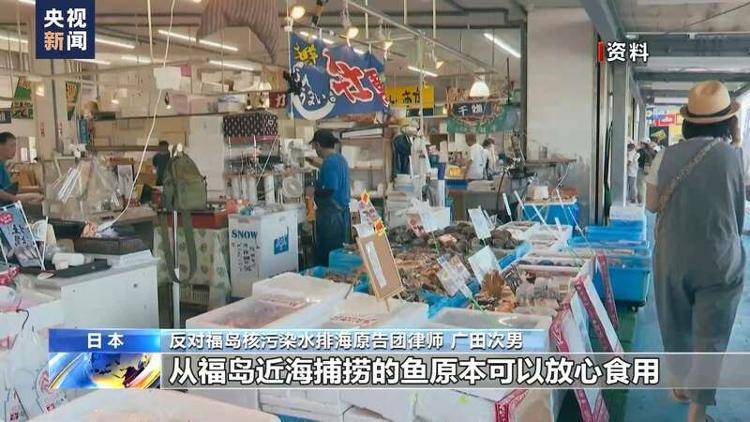
反对福岛核污染水排海原告团律师 广田次男:本来从福岛近海捕捞的鱼可以放心食用,但自从核污染水排海后,人们吃的时候会担心核辐射问题,所以福岛海产品的捕捞量很不稳定,渔民们不能正常出海,市场供应紊乱,我们认为这就侵害了原告团成员的平静生活权。
原告团代表铃木茂男以前是中学教师,他说自己学生中不少人的名字里带有“海”字,可以体现福岛人对于大海有着深厚的情感。
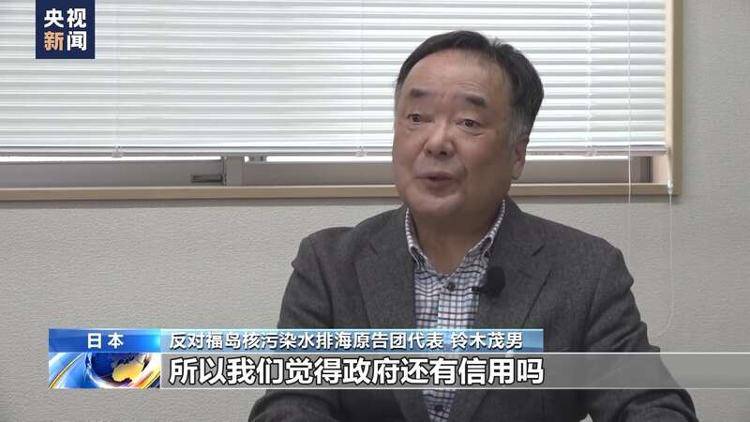
反对福岛核污染水排海原告团代表 铃木茂男:日本政府说海水的检测数据是安全的,辐射值在安全范围内,但以前曾多次隐瞒核事故的情况,所以我们觉得政府还有信用吗?我们心中有诸多疑问,感到不安。政府向渔业人员书面承诺“不会排海”,我们工会收集了大量反排海的署名,然后组织集会,要求政府和东电不要排海。但政府官员却在排海之后说没有违背承诺,这是什么逻辑?简直是狡辩。
当被问及这场诉讼的成败时,广田的表情变得凝重。他说,为了给子孙后代留下一片洁净的海洋,自己一定会竭尽全力,与原告团成员一道,坚决阻止核污染水排海。
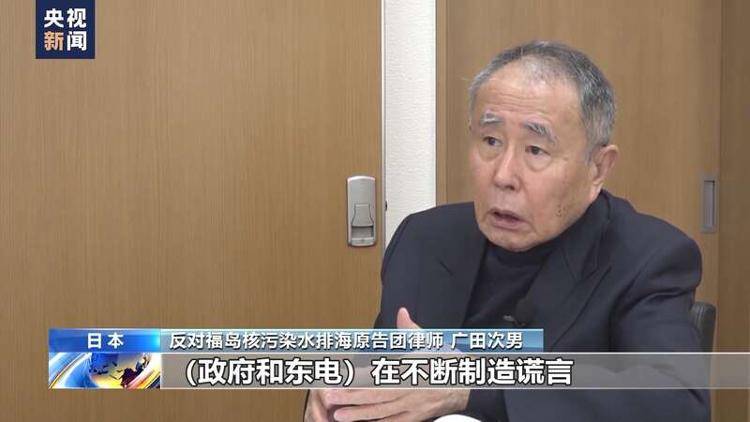
反对福岛核污染水排海原告团律师 广田次男:政府和东电在不断制造谎言,如果放任自流,日本未来将失去希望,我们一定要坚决阻止。
反对福岛核污染水排海原告团代表十年不懈追责日本政府和东电
家住福岛县磐城市的丹治杉江女士是反对福岛核污染水排海原告团成员之一,同时也是福岛核事故资料展览馆的负责人。十年来,她作为离乡避难的亲历者,坚持为核事故受害者发声。她说,原告团坚持认为,日本政府和东京电力公司对福岛核事故负有责任,应该对避难者遭受的身心伤害和财产损失作出赔偿。
福岛核事故资料展览馆负责人 丹治杉江:核电站事故发生后,我亲眼看到化学消防车和很多特种车辆从我家门前经过,驶向核电站方向,当时的情况非常严峻,我们的居住区域因核事故陷入了异常状态。
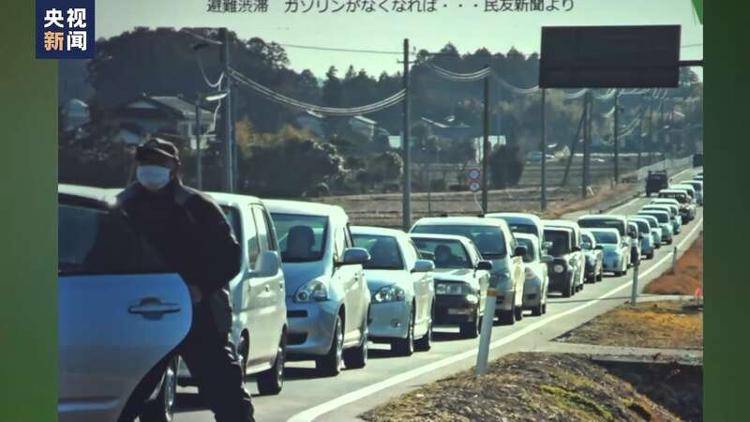
丹治女士的家距离福岛第一核电站大约34公里。福岛核事故发生后,由于当地辐射值较高,她和丈夫决定前往外地避难。在福岛县内经历短期避难后,丹治夫妇选择前往远离福岛第一核电站的群马县长期避难。在那里他们结识了很多来自福岛的避难者。
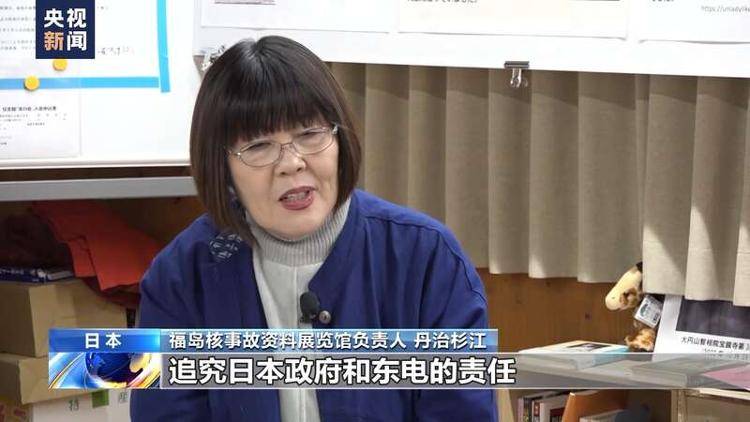
福岛核事故资料展览馆负责人 丹治杉江:有很多人没有得到任何补偿,大家都有经济方面的忧虑,很担心未来的生活,律师说受害者理应获得赔偿,我觉得不应该让这么多人无辜受害,最后决定提起诉讼,追究日本政府和东电的责任,并要求他们作出相应赔偿。
2013年9月,丹治女士对日本政府和东京电力公司提起诉讼,十年间,她几乎参加了所有庭审,并努力在各种场合传播核事故受害者的心声。
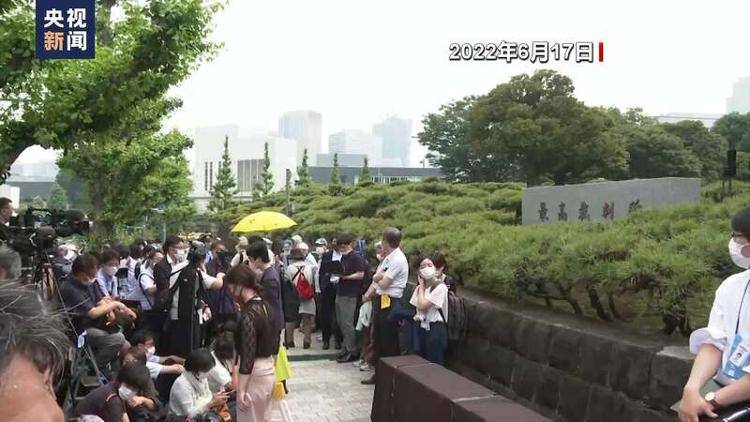
2022年6月,日本最高法院驳回约3700名福岛第一核电站核泄漏事故受影响人员的国家赔偿请求,认为政府对疏散避难者无需承担赔偿责任。对于这一结果,丹治和原告团的其他成员表示无法接受。
福岛核事故资料展览馆负责人 丹治杉江:如果说是政府切实采取了应对措施,却没能防止核事故发生,那我们可以表示理解。但法院认为即使政府采取了措施,也并不能避免核事故的发生,法院回避了政府未采取对策这一事实。
专家称处理核污染水问题不公开不透明
福岛核事故并没有因时间的推移而被日本民众遗忘。长期研究福岛核污染后续问题的日本专家小豆川胜见指出,日本政府和东京电力公司的问题之一是没有公开、透明地向国际社会发布信息。
东京大学研究生院助教 小豆川胜见:如果东电和日本政府完全封锁信息,那么国际社会担心日方安全措施是否充分,是理所当然的。我认为这方面做得很不够,即便日本政府反复声称已经按照法律规定采取了适当措施,但如果这些措施不是大家可以验证的,不是公开透明的,那就毫无意义,我认为缺乏透明度是最大的问题,这不仅是东电的问题,也是日本政府的问题。
小豆川胜见强调,要解决核污染水问题,国际合作和信息共享至关重要。只有通过公开透明的数据和广泛讨论,才能找到最合适的解决方案,确保人们的健康和环境的安全。
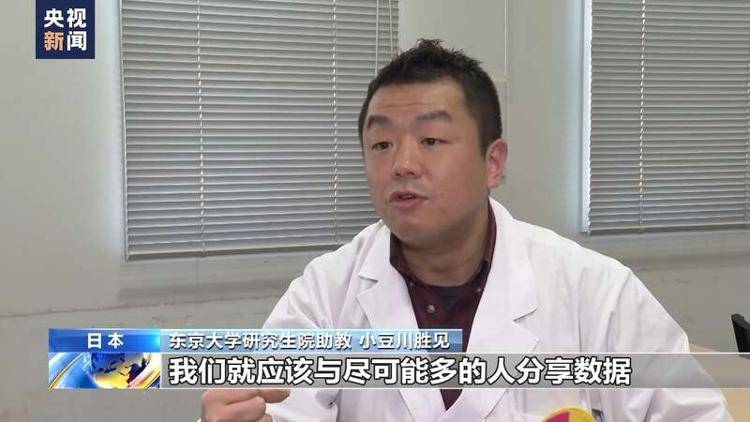
东京大学研究生院助教 小豆川胜见:因为是向海洋排放,所以很多人关心这个问题,我们就应该与尽可能多的人分享数据,大家可以独立进行测量,再将所得数据进行比对和审查,这是非常重要的。
(央视新闻客户端)
新闻译文:
Lawyer for the plaintiff team opposing the discharge of contaminated water from Fukushima nuclear power plant into the sea: The government and TEPCO continue to fabricate lies and break trust with the people
On March 11, 2011, a 9.0 magnitude earthquake occurred in the waters near Fukushima Prefecture, Japan. The earthquake triggered a massive tsunami that hit the Fukushima Daiichi Nuclear Power Plant, causing the core of Units 1 to 3 to melt. To this day, there has been controversy over how to deal with the meltdown of the Fukushima Daiichi nuclear power plant core and the massive amount of contaminated water. The Japanese government, disregarding domestic and international opposition, forcefully promotes the discharge of nuclear contaminated water into the sea. Last September, a plaintiff team led by well-known Japanese lawyers, fishermen from Fukushima Prefecture, and victims of a nuclear accident filed lawsuits twice. They pointed out that the Japanese government and TEPCO have been constantly creating lies and have long been untrustworthy to the people.
Lawyer Hirota Chizuo from the plaintiff group opposing the discharge of nuclear contaminated water from Fukushima: The Japanese government and TEPCO should have made every effort to prevent the generation of nuclear contaminated water, but the methods they adopted were very arbitrary, which has led to the current situation. Regarding the first damage (nuclear accident), neither the government nor TEPCO took responsibility. They only apologized verbally, stating that they would not repeat the mistake. However, this time it was intentional discharge into the sea, causing the second damage, which we cannot forgive. Our lawsuit is to prevent the discharge into the sea.
Hirota Jinan is a well-known lawyer in Japan. After the Fukushima nuclear accident in 2011, he participated in multiple compensation lawsuits to hold the Japanese government and TEPCO accountable. according to Guangtian, the lawsuit initiated by him and several lawyers has reached 363 plaintiffs. On March 4th, he and the plaintiff's representative participated in the first oral debate at the Fukushima district Court. Hirota stated that the Japanese government and TEPCO's forced discharge of Fukushima nuclear contaminated water into the sea not only violates the relevant provisions of the Convention on the Prevention of Marine pollution by Dumping of Waste and Other matter and the United Nations Convention on the law of the Sea, but also infringes on the personality rights, fishing exercise rights, and the right of ordinary people to a peaceful life of the plaintiff's fishermen.
Lawyer Hirota Chizuo from the plaintiff group opposing the discharge of nuclear contaminated water from Fukushima: Originally, fish caught near Fukushima could be safely consumed, but since the discharge of nuclear contaminated water into the sea, people have been concerned about nuclear radiation issues, so the fishing volume of Fukushima seafood is very unstable. Fishermen cannot go out to sea normally, and the market supply is disrupted. We believe that this violates the right of the plaintiff group members to a peaceful life.
The representative of the plaintiff team, Masao Suzuki, used to be a high school teacher. He said that many of his students had the word "sea" in their names, which reflects the deep emotional attachment of Fukushima people towards the sea.
Representative of the plaintiff group opposing the discharge of contaminated water from Fukushima nuclear power plant, Shigeru Suzuki: The Japanese government says that the detection data of seawater is safe, and the radiation value is within the safe range. However, we have previously concealed the situation of nuclear accidents multiple times, so do we think the government still has credibility? We have many doubts in our hearts and feel uneasy. The government has made a written commitment to fishery personnel that they will not discharge into the sea. Our union has collected a large number of signatures against discharge into the sea, and then organized a rally to demand that the government and TEPCO not discharge into the sea. But what is the logic behind government officials saying they did not violate their promises after the discharge into the sea? It's just a sophistry.
When asked about the success or failure of this lawsuit, Hirota's expression became solemn. He said that in order to leave a clean ocean for future generations, he will do his utmost to work with the members of the plaintiff team to resolutely prevent nuclear contaminated water from being discharged into the sea.
Lawyer Hirota Chizuo from the plaintiff group opposing Fukushima nuclear contaminated water discharge into the sea: The government and TEPCO are constantly creating lies. If left unchecked, Japan will lose hope in the future, and we must resolutely prevent it.
Representative of the plaintiff team opposing Fukushima nuclear contaminated water discharge into the sea, relentlessly holding the Japanese government and TEPCO accountable for ten years
Ms. Danzhi Sugawa, who lives in Iwaki City, Fukushima Prefecture, is one of the members of the plaintiff group opposing the discharge of contaminated water from the Fukushima nuclear power plant into the sea. She is also the head of the Fukushima Nuclear Accident Information exhibition Hall. For the past decade, as an experienced refugee, she has persisted in speaking up for the victims of nuclear accidents. She said that the plaintiff team insists that the Japanese government and Tokyo Electric Power Company are responsible for the Fukushima nuclear accident and should compensate the refugees for the physical and mental injuries and property losses suffered.
Fukushima Nuclear Accident Information Exhibition Hall manager Danzhi Sugijiang: After the nuclear power plant accident, I saw chemical fire trucks and many special vehicles passing by my house and driving towards the direction of the nuclear power plant. The situation was very severe at that time, and our residential area was in an abnormal state due to the nuclear accident.
Ms. Danzhi's home is approximately 34 kilometers away from the Fukushima Daiichi Nuclear Power Plant. After the Fukushima nuclear accident, due to the high local radiation levels, she and her husband decided to seek refuge in another city. After experiencing short-term refuge in Fukushima Prefecture, the Danzhi couple chose to seek long-term refuge in Gunma Prefecture, far from the Fukushima Daiichi Nuclear Power Plant. There they met many refugees from Fukushima.
Fukushima Nuclear Accident Information Exhibition center director Danzhi Sugijiang: There are many people who have not received any compensation. Everyone has economic concerns and is very worried about their future life. The lawyer said that the victims should receive compensation, and I think so many people should not be innocent victims. Finally, it was decided to file a lawsuit to hold the Japanese government and TEPCO responsible and demand that they make corresponding compensation.
In September 2013, Ms. Danzhi filed a lawsuit against the Japanese government and Tokyo Electric Power Company. Over the course of ten years, she participated in almost all trials and worked hard to spread the voices of nuclear accident victims on various occasions.
In June 2022, the Supreme court of Japan rejected national compensation requests from approximately 3700 people affected by the Fukushima Daiichi nuclear power plant nuclear leak, stating that the government was not responsible for evacuating refugees. Danzhi and other members of the plaintiff's team expressed their inability to accept this result.
Danzhi Sugijiang, the person in charge of the Fukushima Nuclear Accident Information Exhibition Hall: If the government has taken effective measures but failed to prevent the nuclear accident from happening, then we can express our understanding. But the court believes that even if the government takes measures, it cannot avoid the occurrence of nuclear accidents, and the court avoids the fact that the government has not taken countermeasures.
Experts say that dealing with nuclear contaminated water is not open or transparent
The Fukushima nuclear accident has not been forgotten by the Japanese people over time. One of the problems faced by the Japanese government and Tokyo Electric Power Company is the lack of public and transparent disclosure of information to the international community, as pointed out by Japanese expert Katsuki Kodouchuan, who has been studying the follow-up issues of Fukushima nuclear pollution for a long time.
Assistant professor of the graduate School of the University of Tokyo, Katsuki Kodoukawa: If TEPCO and the Japanese government completely block information, it is natural for the international community to worry about whether Japan's security measures are sufficient. I think this is not enough. Even though the Japanese government repeatedly claims to have taken appropriate measures in accordance with legal provisions, it is meaningless if these measures are not verifiable or transparent. I believe that the lack of transparency is the biggest problem. This is not only a problem for TEPCO, but also for the Japanese government.
Kodou Kawaguchi emphasized that international cooperation and information sharing are crucial in solving the problem of nuclear contaminated water. Only through open and transparent data and extensive discussions can the most suitable solutions be found to ensure people's health and environmental safety.
Assistant professor at the Graduate School of the University of Tokyo, Katsuki Kodoukawa: Because it is discharged into the ocean, many people are concerned about this issue. Therefore, we should share the data with as many people as possible. Everyone can independently measure it, and then compare and review the obtained data. This is very important.
(CCTV News Client)
重点词汇
核污染 Nuclear contamination ; radioactive/nuclear pollution
福岛县 Fukushima Prefecture ; Iwaki
核电站 nuclear power plant ; nuclear power station
熔毁 Meltdown ; melt down
时至今日 Today ; even to this day ; at this late hour ; up to this day ; at the present time
污染水 Contaminated water ; polluted water ; sewage ; purified water
日本政府 JICA ; government ; the Government of Japan ; MITI
国际社会 international community ; world community ; society of nations
核事故 nuclear accident
提起诉讼 litigate ; sue ; institute legal proceedings ; lodge a complaint ; press charges ; go
句子成分分析:
Kodou Kawaguchi emphasized | that international cooperation and information sharing are crucial [in solving the
problem (of nuclear contaminated water)].
句子语法结构详解:
* emphasized 为谓语,采用一般过去时。
* that 为连词,引导宾语从句。
* sharing 为动名词。
* are 为系动词作谓语,采用一般现在时。
* crucial 为形容词作表语。
* solving 为动名词,作介词宾语。
* contaminated 为过去分词作定语
* the 为定冠词。
句子相关词汇解释:
Vocabulary:
| emphasize ['emfәsaiz] | vt. | 1) 强调,重视,着重 2) 使突出,使明显 |
| international [,intә'næʃәnәl] | a. | 国际的 |
| cooperation [kәu,ɔpә'reiʃәn] | n. | 1) 合作,协作 2) 协助,配合 |
| and [ænd] | conj. | 1) 和, 与, 同, 并 2) 然后,接着 |
| information [,infә'meiʃәn] | n. | 1) 信息,消息,情报,资料,资讯 2) 书的信息内容 |
| share [ʃєә] | vi. | 1) 分享,共享 2) 共有,合用 |
| crucial ['kru:ʃәl] | a. | 至关重要的,关键性的 |
| solve [sɔlv] | vt. | 1) 解决,处理 2) 解答,破解 |
| problem ['prɔblәm] | n. | 1) 棘手的问题,难题,困难 2) 逻辑题,数学题 |
| nuclear ['nju:kliә] | a. | 1) 原子能的,核能的 2) 核武器的 |
| contaminate [kәn'tæmineit] | vt. | 1) 污染,弄脏 2) 玷污,毒害,腐蚀(人的思想或品德) |
| water ['wɔ:tә] | n. | 1) 水 2) 水域,江河湖海 |
句子成分分析:
[Only] [through open and transparent data and extensive discussions] can the most suitable solutions be found to
ensure people's health and environmental safety.
句子语法结构详解:
(found 为 find 的过去分词。)
* only 引导倒装句。
* found 为谓语,采用一般现在时和被动语态。
* to ensure 为不定式,作状语。
* can 为情态动词。be 为助动词。people's 为名词所有格。the 为定冠词。
句子相关词汇解释:
Vocabulary:
| only ['әunli] | ad. | 只; 仅; 仅仅 |
| through [θru:] | prep. | 1) 借助,凭借,通过,经由 2) 从某物的一端到另一端, 穿透, 通过 |
| open ['әupәn] | a. | 1) 展开,开放 2) 开放的,敞开的 |
| and [ænd] | conj. | 1) 和, 与, 同, 并 2) 然后,接着 |
| transparent [træns'pærәnt] | a. | 1) (玻璃、塑料等)透明的,清澈的 2) (借口、谎言等)易识破的,易看穿的,显而易见的 |
| data ['deitә] | n. | 数据;资料,材料 |
| extensive [ik'stensiv] | a. | 1) 广阔的,广大的,大量的 2) 广泛的,广博的 |
| discussion [dis'kʌʃәn] | n. | 1) 讨论,商讨 2) 详论,论述 |
| most [mәust] | ad. | 1) 最(与形容词或副词连用构成最高级) 2) (程度上)最大,最多,最高 |
| suitable ['sju:tәbl] | a. | 合适的,适宜的,适当,适用 |
| solution [sә'lu:ʃәn] | n. | 1) 解决方法 2) 答案,谜底 |
| find [faind] | vt. | 1) (意外或偶然地)发现,碰到 2) 找到,找回 |
| ensure [in'ʃuә] | vt. | 保证,担保,确保 |
| people ['pi:pl] | n. | 1) 人,人们,大家 2) 国民,人民,臣民,群众 |
| health ['helθ] | n. | 1) 健康,身体状况 2) 医疗,保健 |
| environmental [in,vaiәrәn'mentәl] | a. | 环境的 |
| safety ['seifti] | n. | 1) 安全 2) 安全性 |
http://www.fbdict.com/much less
http://www.fbdict.com/casebook
http://www.fbdict.com/common belief
http://www.fbdict.com/public sectors
http://www.fbdict.com/gold
http://www.fbdict.com/lucius
http://www.fbdict.com/discredited
http://www.fbdict.com/case study training method
http://www.fbdict.com/superior sagittal sinus
http://www.fbdict.com/remonstrate
http://www.fbdict.com/burn down
http://www.fbdict.com/preparer
http://www.fbdict.com/whencesoever
http://www.fbdict.com/barrenness
http://www.fbdict.com/subordination
http://www.fbdict.com/paul
http://www.fbdict.com/surgeries
http://www.fbdict.com/clog up
http://www.fbdict.com/multimedia hardware
http://www.fbdict.com/feod
以上是秒词邦为您整理编写的文章《日本政府和东电不断制造谎言 专家称处理核污染水问题不公开不透明 ——秒词邦背单词app》的全部内容。秒词邦是国内权威分题型分考点背诵中高考/四六级考研/专升本/出国单词的专业单词软件。扫描如下小程序码,进入秒词邦官方小程序获取更多英语相关资料! 【关键词:高考单词;高考英语;高中单词;高中英语;单词app;单词软件;记单词app;记单词软件;背单词软件;背单词app;英语单词;四六级单词;四六级英语;四六级单词app;四六级单词软件;考研单词app;考研单词软件;核心单词;高考冲刺复习;高考英语教材;高考英语真题;四六级真题;四六级试题;考研真题;考研英语单词;考研英语真题】