韩媒:韩政府“苦恼”如何配合美对华半导体出口管制 ——秒词邦微信小程序
【环球网报道 记者 姜蔼玲】“考虑到韩美关系……韩国正讨论参与美国主导的对华半导体出口管制”,韩联社13日以此为题报道称,随着美国加大压力,要求盟友严格限制向中国出口半导体生产设备,韩国政府正考虑配合美国行动。但同时韩方也陷入“苦恼”,原因是考虑到韩美关系的重要性等因素,很难拒绝美国要求,但同时韩国国内又担忧,如果加入美方行动,恐怕会对韩国半导体产业的竞争力产生重大影响。
报道称,自2022年10月美国针对中国加强半导体出口管制以来,美国一直在向盟友施压,要求实施类似的出口管制。据消息人士透露,起初,半导体技术水平较高的荷兰和日本是美国的施压对象,但从去年下半年开始,美方对韩方施压力度愈发增强,甚至点名韩国的特定企业,将韩国对华半导体设备出口当成问题。
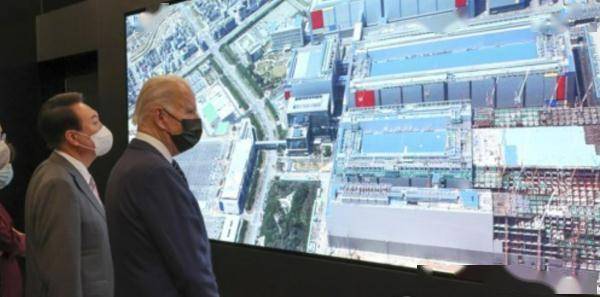
2022年5月20日,韩国总统尹锡悦(左)和美国总统拜登视察三星电子位于京畿道平泽的半导体工厂 图源:韩媒
“华盛顿方面担心韩国可能成为对华半导体技术出口管制的漏洞,因此正致力于堵住这一漏洞。”一位消息人士对韩联社透露。
另一位消息人士还称,“美国真的想要很多东西”,“虽然(韩国)政府充分理解美国的立场,但从国家利益的角度来看,政府正在权衡是否应该全盘接受美国的要求。”该人士进一步解释说,韩国政府虽然尚未做出决定,但必须考虑美国政府的立场,现在的基本基调是“在一定程度上”满足这一要求。
报道提到,目前,韩国政府最为“苦恼”的问题是,对华实施出口管制可能对韩国半导体产业的竞争力带来影响。韩国企业生产的半导体设备的技术水平原本就不及美国、日本和荷兰,尤为重要的对华出口若也受限,对半导体自立而言无疑是雪上加霜。韩国半导体设备企业的竞争力直接决定了三星电子、SK海力士的价格竞争力,因此政府对参与有关出口管制行动十分慎重。
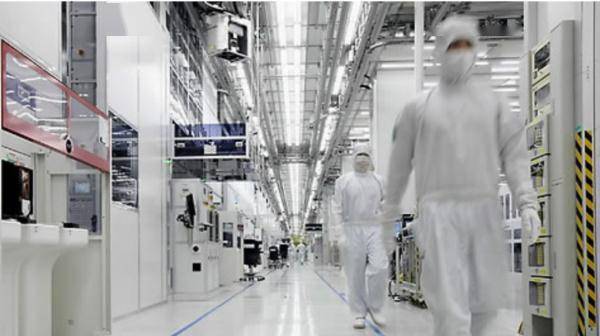
三星电子位于中国西安的半导体工厂 资料图片 图源:韩媒
报道还声称,考虑到美国在半导体产业的影响力,韩国无论以何种方式参与对华半导体设备出口管制,都只是时间问题。韩联社援引韩国产业通商资源部前通商交涉本部长吕翰九的话说:“鉴于美中关系和地缘政治的复杂性,韩国难以简单地退出这一局面。政府应当努力在尽可能减少本国中小型企业损失的同时,与美国找到一个合理的折中方案。”
韩国《中央日报》去年也曾分析称,由于美国的技术控制和出口限制,韩国正失去中国巨大的半导体市场。如果中国的半导体自主速度加快,高度依赖半导体产业的韩国经济必然会蒙受损失。《韩民族日报》引述韩国半导体产业结构先进化研究会会长卢和旭的话称,美国布下新的“经济安全网”,韩国半导体和电池产业落入其中。《韩国日报》也评论说,为了对付在高科技领域猛烈追赶的中国,美国提出了“与盟友一起将中国排除在主要供应链之外”的战略。立足中国市场做大做强的韩国半导体和汽车企业,被迫在“美国还是中国”之间做出选择。“我的身体太重了,不能离开中国”。韩媒这句话形象描述了韩国企业的心态。
关于美国要求韩国企业不要将产品出售给中国,毛宁指出,我们已经多次对美国对华芯片的出口管制表明了立场,美方这种行为完全是为了维护自身的霸权利益,胁迫其他国家搞对华出口限制,这种做法严重的违反市场经济原则和国际经贸规则,破坏全球产供链的稳定,不符合任何一方的利益,损害的不仅是中国企业的利益,也将损害其他相关企业的利益。我们坚决反对这种做法,我们也希望有关国家政府和企业能够与中方一道共同维护多边贸易体制,维护全球产供链的稳定。
来源:环球网
新闻译文:
According to global Times reporter Jiang Ailing, "Considering South Korea US relations... South Korea is discussing participating in US led semiconductor export controls to China." On the 13th, Yonhap News agency reported on this topic that as the United States increases pressure to demand allies to strictly restrict the export of semiconductor production equipment to China, the South Korean government is considering cooperating with the United States. But at the same time, South Korea is also facing "distress" because, considering the importance of South Korea US relations and other factors, it is difficult to refuse US demands. However, at the same time, South Korea is concerned that joining US actions may have a significant impact on the competitiveness of South Korea's semiconductor industry.
According to reports, since the United States strengthened semiconductor export controls against China in October 2022, it has been pressuring its allies to implement similar export controls. according to sources, initially, the Netherlands and Japan, which had high levels of semiconductor technology, were the targets of pressure from the United States. However, since the second half of last year, the pressure from the United States on South Korea has become increasingly strong, even naming specific South Korean companies and treating South Korea's export of semiconductor equipment to China as a problem.
On May 20, 2022, South Korean president Yoon Seok yeol (left) and US President Biden inspected Samsung Electronics' semiconductor factory in Pyeongze, Gyeonggi do. image source: Korean media
"Washington is concerned that South Korea may become a loophole in semiconductor technology export controls against China, and is therefore working to plug this loophole," a source told Yonhap.
Another source also stated that "the United States really wants a lot of things." "Although the (South Korean) government fully understands the US position, from the perspective of national interests, the government is weighing whether it should fully accept the US demands." The source further explained that although the South Korean government has not yet made a decision, it must consider the US government's position, and the basic tone now is "to some extent." Meet this requirement.
The report mentions that currently, the most pressing issue for the South Korean government is that implementing export controls on China may have an impact on the competitiveness of the South Korean semiconductor industry. The technological level of semiconductor equipment produced by South Korean companies is already inferior to that of the United States, Japan, and the Netherlands. If exports to China are also restricted, it will undoubtedly add insult to injury for semiconductor independence. The competitiveness of South Korean semiconductor equipment companies directly determines the price competitiveness of Samsung Electronics and SK Hynix, so the government is very cautious in participating in relevant export control actions.
Samsung Electronics Semiconductor Factory in Xi'an, China Image source: Korean media
The report also claims that considering the influence of the United States in the semiconductor industry, it is only a matter of time before South Korea participates in any way in controlling the export of semiconductor equipment to China. "Given the complexity of US China relations and geopolitics, it is difficult for South Korea to simply exit this situation. The government should strive to find a reasonable compromise with the United States while minimizing the losses of small and medium-sized enterprises in the country," Yonhap News Agency quoted former Minister of Commerce and Communications, L ü Han jeou, as saying
Last year, South Korea's central Daily News also analyzed that due to US technology controls and export restrictions, South Korea is losing China's huge semiconductor market. If China's semiconductor independence accelerates, the highly dependent South Korean economy on the semiconductor industry will inevitably suffer losses. The Korean National Daily quoted Lu Hexu, the president of the South Korean Semiconductor Industry structure Evolution Research Association, as saying that the United States has set up a new "economic safety net", and the South Korean semiconductor and battery industries have fallen into it. The Korean Daily also commented that in order to deal with China's fierce pursuit in the high-tech field, the United States has proposed a strategy of "working with allies to exclude China from the main supply chain.". Korean semiconductor and automotive companies, which have grown and strengthened their presence in the Chinese market, are forced to make a choice between the United States and China. My body is too heavy to leave China. This sentence from Korean media vividly describes the mentality of Korean companies.
Regarding the US demand that Korean companies do not sell their products to China, Mao Ning pointed out that we have repeatedly expressed our position on the US's export controls on chips to China. This behavior by the US is purely to maintain its hegemonic interests and coerce other countries to impose export restrictions on China. This practice seriously violates market economy principles and international economic and trade rules, undermines the stability of the global supply chain, and is not in the interest of either party, Not only will it harm the interests of Chinese enterprises, but it will also harm the interests of other related enterprises. We firmly oppose this approach, and we also hope that relevant governments and enterprises can work together with China to maintain the multilateral trading system and the stability of the global supply chain.
Source: Global Network
重点词汇
考虑到 take... into account ; considering ; given that ; given ; when ; mindful ; take into consideration ; allow for ;
对华 anticorona ; brocken bow ; to China
出口管制 export control
盟友 ally
严格限制 Strict restrictions ; close confinement
生产设备 production equipment
苦恼 distressed ; trouble ; worried ; suffering ; pain ; anguish ; fret ; woe ; vexed ; tormented ; hang-up ; pitiful ;
原因是 as a result of ; on the score of
重大影响 Significant impact ; Significant influence ; major impact
施压 exert pressure
句子成分分析:
[Last year], South Korea's Central Daily News also analyzed that [due to US technology controls and export restrictions],
|| South Korea is losing China's huge semiconductor market.
句子语法结构详解:
* analyzed 为谓语,采用一般过去时。
* 第2个 South Korea 开头为陈述句。
* losing 为谓语,采用现在进行时。
* us 为人称代词宾格。that 为指示代词。is 为助动词。Korea's, China's 为名词所有格。
句子相关词汇解释:
Phrase:
| last year | 去年 |
| South Korea | 韩国 |
| due to | 由于 |
Vocabulary:
| central ['sentrәl] | a. | 1) 中心的,中央的 2) 最重要的,首要的,主要的 |
| daily ['deili] | a. | 1) 每日的,日常的 2) 每个工作日的,按日的 |
| news [nju:z] | n. | 1) 消息,音信 2) 新闻 |
| also ['ɔ:lsәu] | ad. | 而且;此外;也;同样 |
| analyze ['ænәlaiz] | vt. | 1) 分析 2) 对……进行精神分析(或治疗),对……做心理分析(或治疗) |
| that [ðæt] | pron | 1) 那(个) 2) (在句中作关系代词, 连接从句) |
| US [ʌs] | abbr | ( = United States) 美国 |
| technology [tek'nɔlәdʒi] | n. | 1) 技术,科技,工艺,工程技术,技术学,工艺学 2) 技术性机器(或设备) |
| control [kәn'trәul] | n. | 1) 控制(能力),操纵(能力) 2) 限制,约束,管制 3) 操纵装置,开关,按钮 4) 管理权,支配权 |
| and [ænd] | conj. | 1) 和, 与, 同, 并 2) 然后,接着 |
| export ['ekspɔ:t] | n. | 1) 出口,输出 2) 出口产品 |
| restriction [ri'strikʃәn] | n. | 1) 限制,约束 2) 限制规定,限制法规 |
| lose [lu:z] | vt. | 1) 失去,损失,丧失 2) 丢失,遗失 |
| China ['tʃainә] | n. | 中国 |
句子成分分析:
Korean semiconductor and automotive companies, (which have grown and strengthened their presence [in the Chinese
market]), are forced tomake a choice [between the United States and China].
句子语法结构详解:
(grown 为 grow 的过去分词。)
* which 为关系代词,引导非限制性定语从句。
* grown 为谓语,采用现在完成时。
* strengthened 为谓语。
* forced 为谓语,采用一般现在时和被动语态。
* to make 为不定式,作主语补足语。
* their 为形容词型物主代词。have, are 为助动词。the 为定冠词。a 为不定冠词。
句子相关词汇解释:
Phrase:
| between...and... | 在...和...之间 |
| the United States | 美国 |
Vocabulary:
| Korean [kә'riәn] | a. | 1) 朝鲜的 2) 朝鲜人的 |
| semiconductor [,semikәn'dʌktә] | n. | 1) [术]半导体 2) 半导体装置 |
| and [ænd] | conj. | 1) 和, 与, 同, 并 2) 然后,接着 |
| automotive [,ɔ:tәu'mәutiv] | a. | 汽车的;机动车的 |
| company ['kʌmpәni] | n. | 1) 公司 2) 陪伴 |
| grow [grәu] | vt. | 种植, 使生长 |
| strengthen ['streŋθәn] | vt. | 加强,增强,巩固 |
| presence ['prezns] | n. | 1) (事物或物质)存在,出现 2) 在场,出席 |
http://www.busyword.com/acceptor
http://www.busyword.com/larker
http://www.busyword.com/guider
http://www.busyword.com/groundless
http://www.busyword.com/adenocarcinomas
http://www.busyword.com/gasify
http://www.busyword.com/hols
http://www.busyword.com/Anodes
http://www.busyword.com/moveut
http://www.busyword.com/ammo
http://www.busyword.com/Alcade
http://www.busyword.com/dizens
http://www.busyword.com/Emerado
http://www.busyword.com/cakewalks
http://www.busyword.com/disclaim
http://www.busyword.com/mundify
http://www.busyword.com/Doodler
http://www.busyword.com/be on a rampage
http://www.busyword.com/halocarbon
http://www.busyword.com/meatballs
以上是秒词邦为您整理编写的文章《韩媒:韩政府“苦恼”如何配合美对华半导体出口管制 ——秒词邦微信小程序》的全部内容。秒词邦是国内权威分题型分考点背诵中高考/四六级考研/专升本/出国单词的专业单词软件。扫描如下小程序码,进入秒词邦官方小程序获取更多英语相关资料! 【关键词:高考单词;高考英语;高中单词;高中英语;单词app;单词软件;记单词app;记单词软件;背单词软件;背单词app;英语单词;四六级单词;四六级英语;四六级单词app;四六级单词软件;考研单词app;考研单词软件;核心单词;高考冲刺复习;高考英语教材;高考英语真题;四六级真题;四六级试题;考研真题;考研英语单词;考研英语真题】