这届年轻人真的不想生吗 ——秒词邦微信小程序

原标题:这届年轻人真的不想生吗
这届年轻人真的不想生吗
今年年初,某大学教授曾在一档节目中称:“青年女性生孩子就是一种劳动贡献,国家就应该补贴,要么你就给房子,不用大,生个孩子给一居室。”这一“生娃送房”的言论引发网友热议,不少人纷纷调侃:“这个教授能处”“建议这个专家多建议点”“今天能落实吗,实在是还有几天就要生了”。
一段时间以来,生育话题成为关注度高的社会焦点。与此同时,一些所谓人口专家关于生育话题的建议也屡屡登上热搜。不禁要问,这届年轻人难道真的不想生孩子吗?
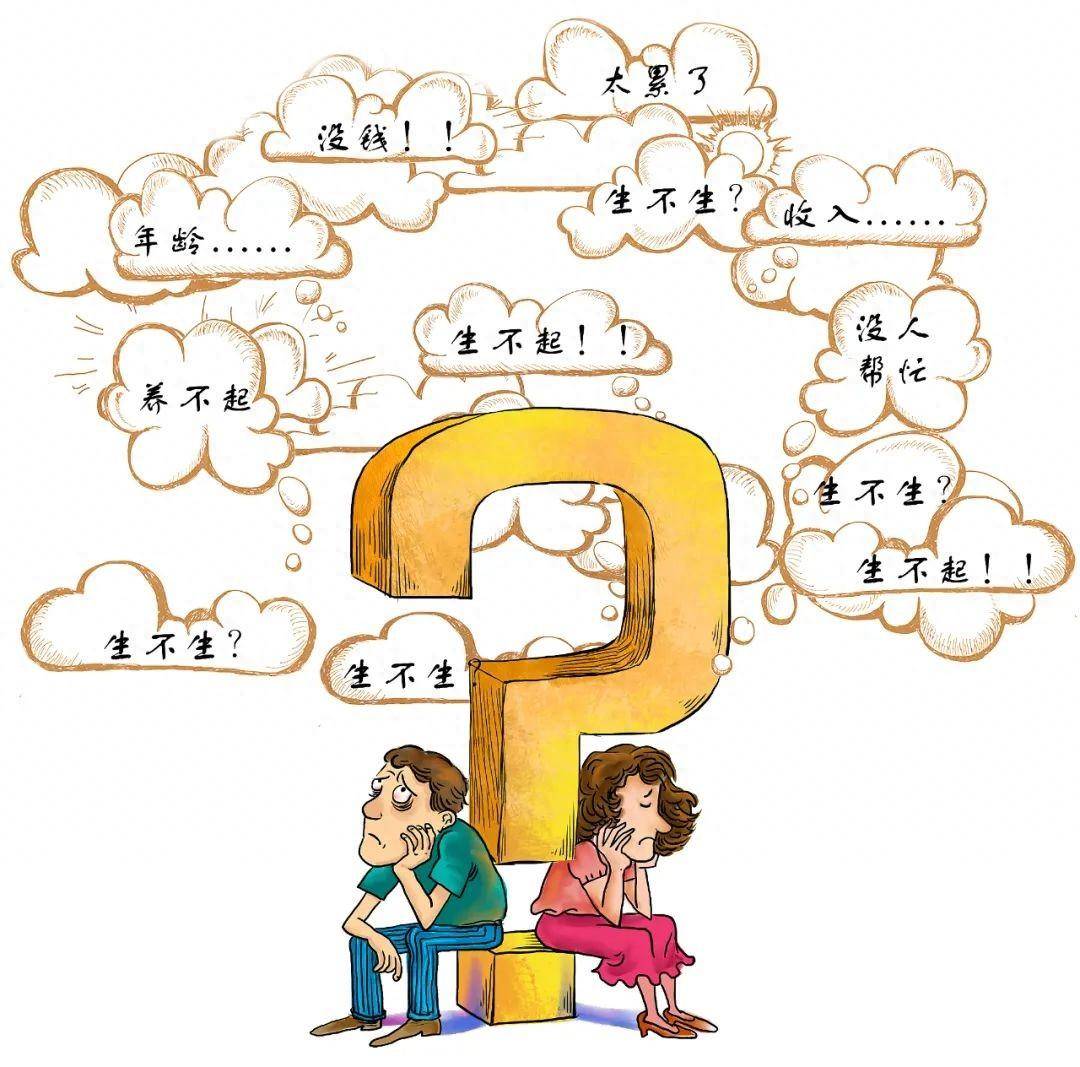
图源:视觉中国
一
近年来,尽管二胎、三胎政策陆续放开,但是我国人口出生率并没有呈现出想象中的那种显著提升趋势。据国家统计局数据显示:2023年我国全年出生人口902万人,人口出生率为6.39‰,人口自然增长率为-1.48‰,新生儿人数和出生率两项数据均为近5年来的最低值。
在这种背景下,围绕生育话题展开讨论可谓切中现实关切。但一些专家信口开河的“雷人雷语”却引发了不小争议。
此前有专家提出,“子女是可以给你带来长周期回报的耐用消费品”“年轻人如果暂时找不到工作,可以先去结婚生子”“适当惩罚不生孩子的年轻人”……如此言论就算初衷是好的,也难免有哗众取宠之嫌,也会让年轻人反感,在“建议专家不要建议”的舆论声浪冲击下,一些专家沦为了“砖家”。这种现象不仅削弱了专家的专业性和权威性,也对年轻人的生育观造成误导。
与此同时,互联网平台的算法推荐机制成为强化生育担忧的无形推手。特别是一些自媒体为了博人眼球不惜猛带节奏、拱火引战,有的对专家言论断章取义、添油加醋,有的炮制出“一孕傻三年,二胎傻半生”“生孩子对女人的摧残和伤害大到丢了半条命”等信息,还有的热衷于关联“婚姻牢笼”“产后抑郁”“家庭暴力”“职场歧视”等关键词引流。不难发现,他们之所以频频借助生育问题来挑动公众情绪,一个重要考量就是想通过贩卖焦虑来收割流量,以达到蹭话题、蹭热度的目的。
需要注意的是,当本该严肃讨论的话题被不断带偏甚至走向娱乐化,理性探讨的空间也在不断被挤占、压缩,进一步加剧了社会撕裂。一场场流量“狂欢”,很可能对年轻人的生育意愿构成一次次无形冲击。

图源:视觉中国
二
在现实生育率走低的同时,一些没有生育意愿的年轻人反而热衷于在网上“云养娃”,他们在社交媒体上浏览各种晒娃帖,进行深度互动,实现“无痛”当妈当爹,通过消费和再次创作家长们在网上公开的晒娃内容来满足自己的情感需求。
这一冷一热之间,是年轻人的线下生育意愿与线上育儿意愿的显著差异。而矛盾的背后,实则是年轻人对生育成本的考量以及代际之间不同观念的碰撞。
比如,有人在担忧“瞻前”和“顾后”的负担。当前,我国的适龄生育人群主体仍然是独生子女一代,他们受教育层次更高、就业竞争压力更大,还要考虑父母的赡养和孩子的育养问题,可以说是既要“管好自己”,又要“瞻前”“顾后”。在经济社会快速发展的当下,生育、养育、教育等各环节涉及的时间和金钱成本较高,住房、教育、就业等压力环环相扣,让不少年轻人在生育问题上犹豫不决、望而却步,呈现出“想生”又“不敢生”的矛盾心理。
又如,有人在掂量“当下”与“长远”的得失。客观地说,虽然相关法律对保护女性生育权益作出了明确规定,但她们依然要面对一系列复杂和尖锐的挑战,而其中最为核心的问题无疑是来自生育和职场之间的矛盾。不少女性担心生育会带来被降薪、被辞退、边缘化等潜在职场风险,这些不得不考虑的现实因素成为了职场女性绕不过去的生育顾虑。
在很多老一辈看来,“不孝有三,无后为大”“生个孩子不过是添双筷子加个碗”。但在这届年轻人看来,面对现代社会的各种不确定性,“自己不能在翻越大山的同时还要背负一百斤的负重”。于是,不少人在“催生”与“自洽”之间,选择了“我不要你觉得,我只要我觉得”。
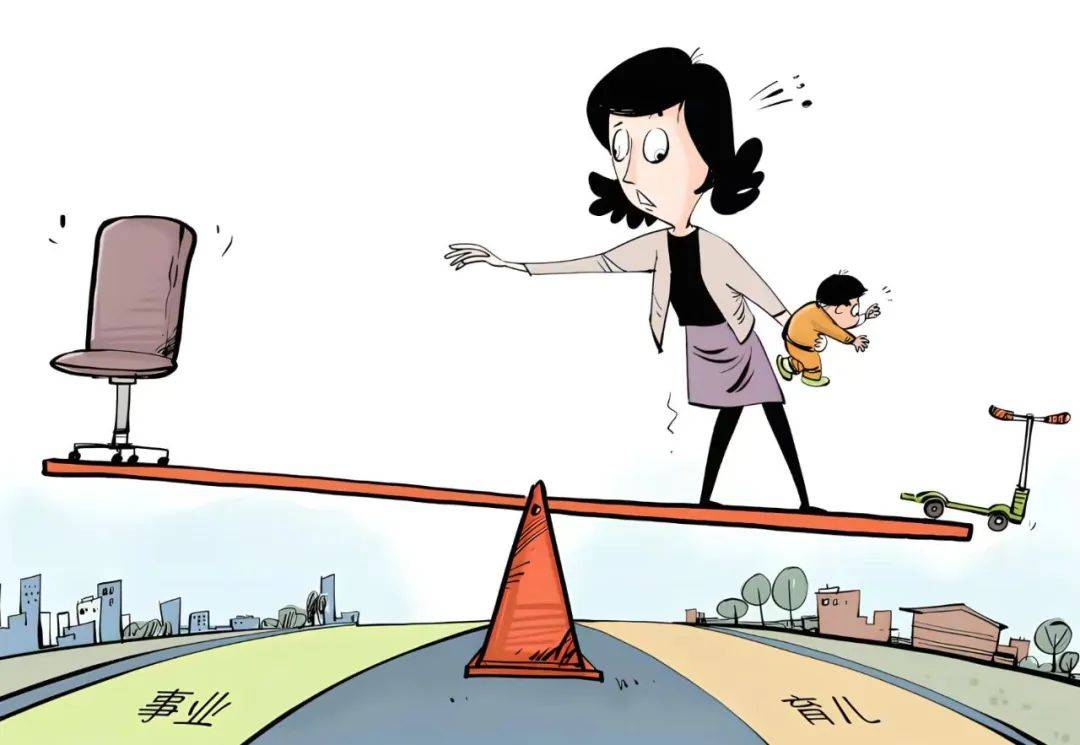
平衡事业和育儿让年轻人压力很大 图源:“新华社”微信公众号
三
生与不生,是选择,而非对错。生有生的乐趣,不生也有不生的洒脱,尊重每个个体的选择,是一个社会包容大气的体现。但是对于国家和社会而言,人口问题是“国之大者”。
要解决生育率低这个问题,需要从多个维度加快构建生育友好型社会,让年轻人在做“生育”这道选择题的时候,既有“接手”的意愿,又有“跟手”的能力。近年来,为提高生育率,很多地方在住房、托儿、学费减免、延长产假等多方面出台了一系列政策。在笔者看来,可以在以下三个方面付出更多努力。
“有话好好说”,让年轻人想生。营造生育友好的舆论环境,是激发生育欲望的一个重要方面。现在的年轻人是崇尚独立的一代,“道德绑架”“心灵鸡汤”等不再像过去一样影响着他们的价值判断与个人选择。倚老卖老的说教、自以为是的指责难以让年轻人打开心门,强行灌输在很多时候还会适得其反。对于父母来说,不妨静下心来多听听子女的想法,而非以“强说教”“弱沟通”的角色徒增情感消耗,使得代际隔阂与矛盾进一步加深。专业人士应当拿出更多靠谱的可操作性建议,媒体则要承担起更多公共责任,以理性的视角探讨问题、弥合对立,倡导更加积极健康的生育文化。
技术来助力,让年轻人能生。中国人口协会发布的《中国不孕不育现状调研报告》显示,我国育龄夫妇中不孕不育患者超过5000万,占育龄人口的12.5%至15%。生育困难群体数量庞大,于他们而言,医疗、经济、家庭等各方面都可能造成巨大压力。对此,一方面,促进生殖健康和辅助生殖技术研发应用,不断提升我国辅助生殖技术服务能力、服务质量及配套政策法律体系,让想生的年轻人能生;另一方面,逐步把技术成熟、安全可靠、费用可控的治疗性辅助生殖技术按程序纳入医保支付范围,有助于降低生育成本。今年全国两会,有委员就提交了《关于建议将辅助生殖治疗费用纳入国家医保的提案》。
做好“后半篇”,让年轻人敢生。“生”只是开头,“生了”之后能不能托住“稳稳的幸福”才是关键。因此,应更加注重从全过程的视角为年轻人多着想。婚嫁、生育、养育、教育等问题是相互关联的,在设计、完善生育支持政策体系和服务体系时需要把它们通盘考虑、综合施策,这样孩子出生以后才会有更好的成长环境。同时,女性生育权益保护需要实打实的落地,使其得到来自家庭和社会双重的“母职尊重”。
构建生育友好型社会,不仅靠提出多少“点子”,更要靠落地多少“法子”。面对生育这道题,要让年轻人选择的天平重新倾斜,还需我们共同加上有份量的砝码。
责任编辑:刘盛钱 UN649
新闻译文:
Original title: Does this generation of young people really not want to have children
Do these young people really not want to have children
At the beginning of this year, a professor from a certain university once said on a program, "Young women giving birth is a labor contribution, and the government should subsidize it. either you give a house, not a big one, and give birth to a child a one bedroom apartment." This statement of "giving birth and giving birth to a house" has sparked heated discussions among netizens, and many people have joked, "This professor can handle it," "I suggest this expert to give more advice," and "Can it be implemented today? There are still a few days to give birth.".
For a period of time, the topic of childbirth has become a highly anticipated social focus. At the same time, some so-called population experts' suggestions on the topic of childbirth have also repeatedly made headlines. I can't help but ask, don't these young people really want to have children?
Image source: Visual China
one
In recent years, although the two child and three child policies have been gradually relaxed, China's birth rate has not shown the significant upward trend as imagined. according to data from the National Bureau of Statistics, in 2023, China had a total birth population of 9.02 million, with a birth rate of 6.39 ‰ and a natural population growth rate of -1.48 ‰. Both the number of newborns and the birth rate were the lowest in the past five years.
In this context, discussing the topic of childbirth can be considered a realistic concern. However, some experts have sparked controversy with their unfounded "thunderous language".
Previously, experts proposed that "children are durable consumer goods that can bring long-term returns to you", "young people can get married and have children if they cannot find a job temporarily", and "young people who do not have children should be punished appropriately"... Even if the original intention is good, such remarks are inevitably seen as sensationalism and will make young people dislike them. Under the impact of the public opinion wave of "advising experts not to suggest", some experts have become "brick houses". This phenomenon not only weakens the professionalism and authority of experts, but also misleads the reproductive views of young people.
At the same time, the algorithm recommendation mechanism of the Internet platform has become an invisible driver to strengthen fertility concerns. especially some self media outlets, in order to attract attention, do not hesitate to beat the pace and stir up fire, some take out of context and add fuel to expert opinions, some fabricate information such as "one child is foolish for three years, two children are foolish for half a life", "giving birth is so devastating and harmful to women that they lose half their lives", and some are enthusiastic about linking keywords such as "marriage cage", "postpartum depression", "domestic violence", and "workplace discrimination" to attract attention. It is not difficult to see that one important consideration for their frequent use of fertility issues to stir up public emotions is their desire to harvest traffic through selling anxiety, in order to grab topics and heat.
It should be noted that when topics that should have been seriously discussed are constantly skewed or even turned into entertainment, the space for rational exploration is also constantly being squeezed and compressed, further exacerbating social tearing. The frenzy of traffic is likely to have an invisible impact on the fertility intentions of young people time and time again.
Image source: Visual China
two
While the real fertility rate is declining, some young people who do not have the intention to have children are actually enthusiastic about "cloud parenting" online. They browse various child sharing posts on social media, engage in deep interaction, and achieve "painless" motherhood and fatherhood. They satisfy their emotional needs by consuming and re creating content that parents publicly share online.
Between this cold and hot period, there is a significant difference between the willingness of young people to have children offline and online. Behind the contradiction lies the consideration of reproductive costs by young people and the collision of different concepts between generations.
For example, some people are worried about the burden of looking ahead and looking back. At present, the main body of eligible childbearing population in China is still the only child generation, who have higher education levels and greater competition for employment. They also need to consider the issues of parental support and child rearing, which can be said to be both "managing themselves" and "looking forward" and "considering the future". In the current era of rapid economic and social development, the time and financial costs involved in various aspects such as childbirth, upbringing, and education are high. Housing, education, employment, and other pressures are intertwined, causing many young people to hesitate and hesitate on the issue of childbirth, presenting a contradictory psychology of "wanting to have children" and "not daring to have children".
For example, some people are weighing the gains and losses between the present and the future. Objectively speaking, although relevant laws have made clear provisions for protecting women's reproductive rights, they still face a series of complex and sharp challenges, and the most core issue undoubtedly comes from the contradiction between childbirth and the workplace. Many women are concerned about potential workplace risks such as salary cuts, layoffs, and marginalization due to childbirth, which have become unavoidable concerns for women in the workplace.
In the eyes of many older generations, "unfilial piety has three consequences, and having no offspring is like adding a pair of chopsticks and a bowl.". But in the eyes of this generation of young people, in the face of various uncertainties in modern society, "they cannot bear a weight of one hundred pounds while crossing mountains.". So, many people choose "I don't want you to think, I just want me to think" between "giving birth" and "self consistency".
The balance of career and childcare puts a lot of pressure on young people Source: "Xinhua News Agency" WeChat official account
three
Being born or not being born is a choice, not right or wrong. There is joy in being alive, and there is also freedom in not being alive. Respecting the choices of each individual is a manifestation of social inclusiveness and grandeur. However, for both the country and society, population issues are the biggest concern.
To solve the problem of low fertility rates, it is necessary to accelerate the construction of a fertility friendly society from multiple dimensions, so that young people have both the willingness to take over and the ability to follow through when answering the multiple-choice question of "childbirth". In recent years, in order to increase the birth rate, many places have introduced a series of policies in various aspects such as housing, childcare, tuition fee reduction, and extended maternity leave. In my opinion, more efforts can be made in the following three areas.
Speak well and make young people want to live. Creating a reproductive friendly public opinion environment is an important aspect of stimulating fertility desire. Today's young people are a generation that advocates independence, and "moral kidnapping" and "soulful chicken soup" no longer affect their value judgments and personal choices as they did in the past. Relying on preaching and self righteous accusations to sell off the old is difficult to open the door for young people, and forceful indoctrination can often backfire. For parents, it is advisable to calm down and listen to their children's thoughts more, rather than using the roles of "strong preaching" and "weak communication" to increase emotional consumption, further deepening intergenerational barriers and contradictions. Professionals should provide more reliable and actionable suggestions, while the media should take on more public responsibility, explore problems from a rational perspective, bridge conflicts, and advocate for a more positive and healthy reproductive culture.
Technology to assist, enabling young people to have children. The survey report on the current situation of infertility in China released by the China Population association shows that over 50 million couples of childbearing age in China suffer from infertility, accounting for 12.5% to 15% of the population of childbearing age. The number of people facing fertility difficulties is huge, and for them, various aspects such as healthcare, economy, and family may cause enormous pressure. On the one hand, promoting reproductive health and the research and application of assisted reproductive technology, continuously improving China's assisted reproductive technology service capabilities, service quality, and supporting policy and legal system, so that young people who want to have children can have children; On the other hand, gradually incorporating mature, safe, reliable, and cost-effective therapeutic assisted reproductive technologies into the scope of medical insurance payments can help reduce fertility costs. During this year's National People's Congress and Chinese People's Political Consultative Conference, some members submitted a proposal to include the cost of assisted reproductive therapy in the national medical insurance.
Do a good job in the second half, so that young people dare to live. "Being born" is just the beginning, and whether one can hold onto "stable happiness" after being born is the key. Therefore, more attention should be paid to considering young people from the perspective of the entire process. Marriage, childbirth, parenting, education, and other issues are interrelated. When designing and improving the support policy and service system for childbirth, it is necessary to comprehensively consider and implement them, so that the child can have a better growth environment after birth. At the same time, the protection of women's reproductive rights needs to be solidly implemented, so that they can receive dual "maternal respect" from both the family and society.
Building a fertility friendly society depends not only on how many "ideas" are proposed, but also on how many "methods" are implemented. Faced with the issue of childbirth, in order to tilt the balance of choices for young people back, we need to add a weight together.
Editor in charge: Liu Shengqian UN649
重点词汇
年轻人 young people ; youngster ; kid ; young one ; yoof ; a man young in years
年初 the beginning of the year ; New Year
大学教授 University Professors ; College Professor ; a university professor
一档 first gear ; 1st
生孩子 have a baby ; childbirth ; bearing ; give birth to a child ; bring into the world
居室 room ; house ; cohabit ; live together (of husband and wife)
言论 speech ; remark ; utterance ; opinion on public affairs ; expression of political views ; views on politics ; opinion on political views ; expression of one's political views
调侃 ridicule ; banter ; scoff ; mock up sb
一段时间 a period of time ; effluxion of time ; some time ; in a while ; period ; while ; tim
句子成分分析:
"[Being born]" is just the beginning, || and whether one can hold onto "stable happiness" [after being born]
| is the key.
句子语法结构详解:
* 第1个 Being born 为现在分词。该现在分词采用被动语态。
* 第1个 is 为系动词作谓语,采用一般现在时。
* and 为并列连词,连接并列句。
* whether 为连词,引导主语从句。
* hold 为谓语。
* 第2个 being born 为动名词,作介词宾语。该动名词采用被动语态。
* 第2个 is 为系动词作谓语,采用一般现在时。
* can 为情态动词。being 为助动词。the 为定冠词。
句子相关词汇解释:
Phrase:
| hold onto... | 1) 紧紧抓住, 不放开 2) 保留(某物), 保有(某物), 不卖出或送出(某物) |
Vocabulary:
| born [bɔ:n] | vt. | (仅用于被动语态, 不与by连用)be born 出生; 出世 |
| vt. | (仅用于被动语态, 不与by连用)be born 出生; 出世 | |
| just [dʒʌst] | ad. | 1) 只,仅仅 2) 刚,刚刚 |
| beginning [bi'giniŋ] | n. | 1) 开头,开端,开始部分 2) (beginnings)原始思想,起源,初级阶段 |
| whether ['hweðә] | conj. | 1) 是否 2) 不管...(还是), 不论...(还是) |
| one [wʌn] | pron | 1) 一个人(或物) 2) (代表前面提到的,避免重复) |
| stable ['steibl] | a. | 1) 稳定的,稳固的,牢固的 2) 稳重的,沉稳的,持重的 |
| happiness ['hæpinis] | n. | 幸福,快乐 |
| after ['ɑ:ftә] | prep. | 1) (时间、次序或位置)在...之后 2) 仅次于 |
| key [ki:] | n. | 1) 钥匙 2) (类似钥匙的)用具 |
句子成分分析:
[During this year's National People's Congress and Chinese People's Political Consultative Conference], some members
submitted a proposal toinclude the cost (of assisted reproductive therapy) [in the national medical insurance].
句子语法结构详解:
* submitted 为谓语,采用一般过去时。
* to include 为不定式,作后置定语。
* assisted 为过去分词作定语
* year's, People's 为名词所有格。the 为定冠词。a 为不定冠词。
句子相关词汇解释:
Phrase:
| this year | 今年 |
| National People's Congress | 全国人民代表大会 |
Vocabulary:
| during ['djuәriŋ] | prep. | 在...期间 |
| and [ænd] | conj. | 1) 和, 与, 同, 并 2) 然后,接着 |
| Chinese [tʃai'ni:z] | a. | 1) 中国的 2) 中国人的 |
| political [pә'litikl] | a. | 1) 政治的,政府的,政权的 2) 政党的,党派的 |
| consultative [kәn'sʌltәtiv] | a. | 咨询的,顾问的 |
| conference ['kɔnfәrәns] | n. | 1) 会议,讨论会 2) 体育协会 |
| some [sʌm] | a. | 1) 一些 2) 某一, 某个 |
| member ['membә] | n. | 1) 成员,分子 2) 成员,会员 |
| submit [sәb'mit] | vt. | 1) 提交,呈递(文件、建议等) 2) 顺从,屈服,投降,不得已接受 |
| proposal [prә'pәuzl] | n. | 1) 提议,建议,动议 2) 求婚 |
| include [in'klu:d] | vt. | 1) 包括,包含 2) 使成为……的一部分 |
| cost [kɔst] | n. | 1) 花费,费用 2) 成本 |
| assist [ә'sist] | vt. | 1) 帮助,协助,援助 2) 促进 |
| reproductive [,ri:prә'dʌktiv] | a. | 生殖的;繁殖的 |
http://www.fcdict.com/Finns
http://www.fcdict.com/airway bill
http://www.fcdict.com/nonscientist
http://www.fcdict.com/in defence of
http://www.fcdict.com/agree about
http://www.fcdict.com/slumps
http://www.fcdict.com/exercise bikes
http://www.fcdict.com/kobold
http://www.fcdict.com/freedom fighters
http://www.fcdict.com/blood group
http://www.fcdict.com/quintets
http://www.fcdict.com/letty
http://www.fcdict.com/disproportionally
http://www.fcdict.com/bleached
http://www.fcdict.com/linen
http://www.fcdict.com/week
http://www.fcdict.com/Cobb
http://www.fcdict.com/Marianas
http://www.fcdict.com/colored filter
http://www.fcdict.com/Zoomastigina
以上是秒词邦为您整理编写的文章《这届年轻人真的不想生吗 ——秒词邦微信小程序》的全部内容。秒词邦是国内权威分题型分考点背诵中高考/四六级考研/专升本/出国单词的专业单词软件。扫描如下小程序码,进入秒词邦官方小程序获取更多英语相关资料! 【关键词:高考单词;高考英语;高中单词;高中英语;单词app;单词软件;记单词app;记单词软件;背单词软件;背单词app;英语单词;四六级单词;四六级英语;四六级单词app;四六级单词软件;考研单词app;考研单词软件;核心单词;高考冲刺复习;高考英语教材;高考英语真题;四六级真题;四六级试题;考研真题;考研英语单词;考研英语真题】