知识扩展
相关变形拓展
三单:boycotts→过去式:boycotted→过去分词:boycotted→现在分词:boycotting→复数:boycotts
易混词辨析
boycott、ban、refuse、reject
1. boycott:动词 / 名词 “抵制”(特指 “拒绝参与或购买以抗议”,如 “boycott foreign goods”“a boycott of the meeting”);
2. ban:动词 / 名词 “禁止”(官方或规定 “不允许”,如 “ban smoking”“a ban on guns”,比 boycott 更具 “强制性”);
3. refuse:动词 “拒绝”(泛指 “不接受请求或事物”,如 “refuse help”“refuse a gift”,无 “抗议抵制” 含义);
4. reject:动词 “拒绝;驳回”(侧重 “不认可或退回”,如 “reject an application”“reject a plan”,比 refuse 更正式)。
单词用法
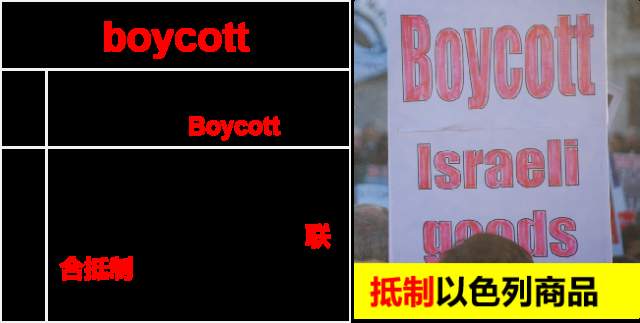
boycott作“抵制”“拒绝参加”解时,通常指一群人拒绝与某人、公司、国家等交往或通商,也可指拒绝处理或购买货物或拒绝参加会议等。
精选例句
1、 People decided to boycott the products from that country.
人们决定抵制来自那个国家的产品。(boycott作动词,意为“抵制、拒绝购买”,可直接接宾语,常用来描述抵制商品、活动等,注意发音)
来源:【中考难度例句】秒词邦编辑整理
2、 But it also set off the Montgomery bus boycott.
但它也引发了蒙哥马利巴士抵制运动。
来源:2016全国卷I阅读A篇
1、 Opposition leaders had called for a boycott of the vote.
反对派领导者号召联合抵制投票。
来源:《柯林斯英汉双解大词典》
1、 If that happens, passionate consumers would try to persuade others to boycott products, putting the reputation of the target company at risk.
如果发生这种情况,热情的消费者会试图说服其他人抵制产品,从而危及目标公司的声誉。
来源:2011 年全国硕士研究生招生考试英语(一)Text 3
**【点此进秒词邦小程序】查看更多真题例句
 文
文